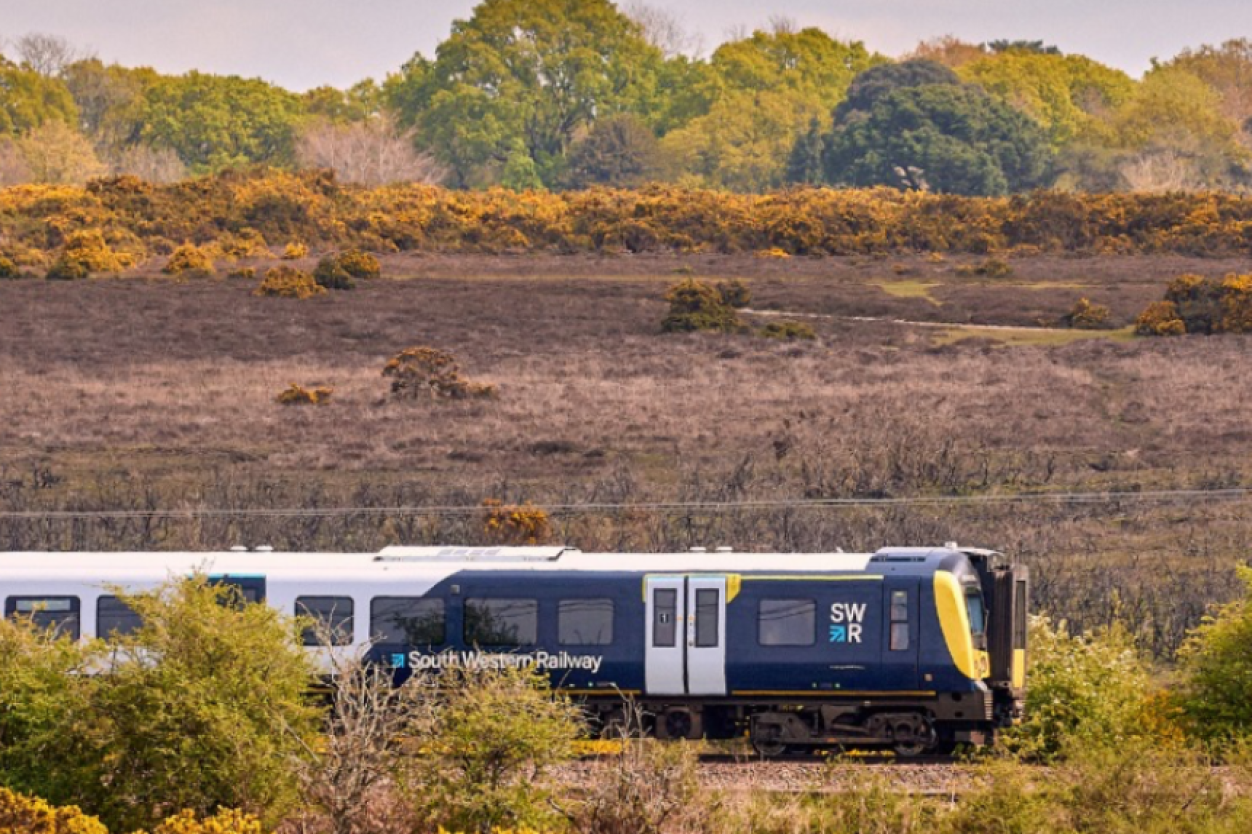
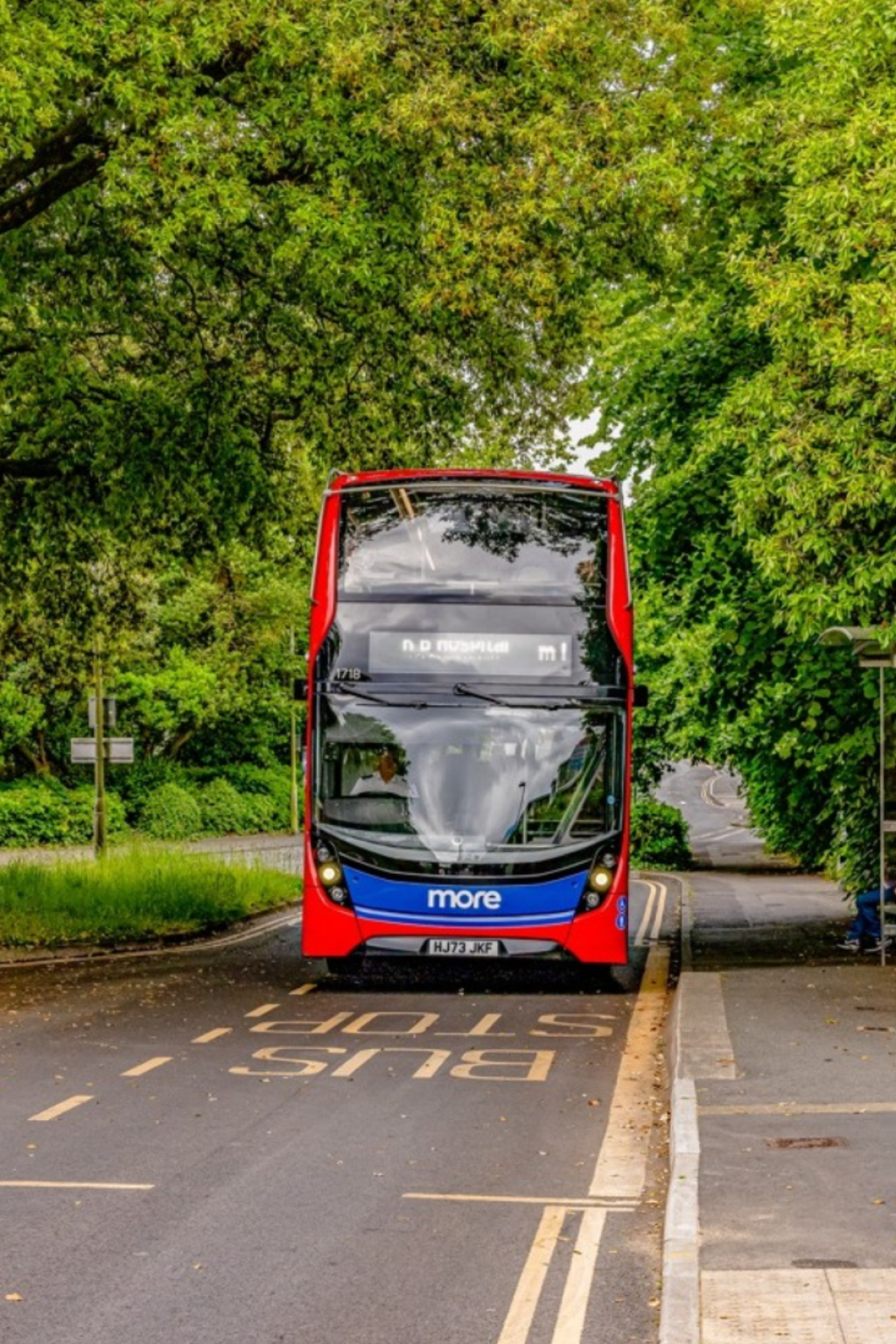
Can you live in Bournemouth without a car? The answer depends on where you live and the journeys you make. This guide introduces Bournemouth’s railway stations, useful bus connections, walking and cycling considerations, and options for evening travel. With practical route examples and links to current operator information, we explore what to check before choosing a home, planning a commute or deciding whether you need a car for everyday life.
14th October 2026
Walking to the shops, catching a bus to work and heading to the beach without searching for parking can make life in Bournemouth feel pleasantly straightforward.
However, being close to the coast does not necessarily mean being close to a railway station. Equally, an inland address might work well without a car if your regular destinations sit along a convenient bus route.
We’d start with three journeys: your commute, your everyday shopping and your journey home after an evening out. If these work comfortably, you have a useful foundation for relying less on driving.
Our Bournemouth neighbourhood guide can help you compare locations alongside their shops, housing and surroundings.
Bournemouth station is the main station to investigate for travel from the central part of town. It is separate from the seafront and main shopping area, so include the journey to the station when comparing homes or planning a commute.
Check the entrance and platform arrangements too. South Western Railway describes level access from separate entrances on either side, with a long, steep ramped subway connecting the platforms.
Pokesdown station, on Christchurch Road, is worth investigating for addresses around Pokesdown, Boscombe East and parts of Southbourne. Its usefulness depends on your actual walking or connecting-bus route.
Accessibility is an important consideration: SWR currently lists Pokesdown as having no step-free access. Check the latest station information before relying on it with a wheelchair, pushchair or mobility needs.
Branksome station, in neighbouring Poole, is another option to compare for homes towards Bournemouth’s western side, including around Westbourne. Check whether your intended train calls there and how you would reach the station from the property.
Find current facilities and access details for Bournemouth, Pokesdown and Branksome before travelling.
South Western Railway provides journey information for travel from Bournemouth to destinations including Southampton Central and London Waterloo. These are routes to investigate if your work takes you beyond the local area.
For a realistic comparison, add together:
The walk, cycle or bus journey from home to the station.
Time to reach your platform and make the connection.
The train journey on the service you would actually use.
Onward travel from the destination station.
The return journey at your usual finishing time.
For example, a job near Southampton Central presents a different journey from one requiring another bus across Southampton. An occasional London office day also needs a different budget from several return trips each week.
Use the operator’s journey planner for your intended dates and compare tickets against your actual working pattern. Check engineering works separately, particularly for weekend travel.
Check Bournemouth to Southampton Central trains.
Check Bournemouth to London Waterloo trains.
Morebus operates an extensive network across Bournemouth and neighbouring areas. The most useful route will depend on your destination, rather than simply whether a bus goes into the town centre.
Two routes worth recognising are:
m1: connects Poole with Royal Bournemouth Hospital via Upper Parkstone, Branksome, Westbourne, Bournemouth, Charminster and Castlepoint.
m2: connects Poole with Southbourne via Upper Parkstone, Branksome, Westbourne, Bournemouth and Boscombe.
Inland connections also matter. The 12 links Bournemouth and Castlepoint via Winton, Moordown and Muscliff, while the 15 connects Poole and Royal Bournemouth Hospital via places including Wallisdown, the university, Winton, Moordown and Castlepoint.
A direct service can simplify your routine, but check its operating hours, frequency and the distance between your home and the stop. A route serving an area does not mean every address is conveniently placed for it.
Your daytime journey may be straightforward while the late-evening version needs more planning.
Morebus currently advertises N1, N2 and N5 night services every night of the week. The N1 follows the m1 corridor between Poole and Royal Bournemouth Hospital. The N2 follows the m2 corridor to Southbourne before continuing towards Tuckton, Christchurch and Two Riversmeet. The N5 serves an inland route including Ensbury Park, the university’s Talbot Campus and Wallisdown.
These services may be useful for shift workers as well as evenings out. Check the timetable for the exact night, the direction you need and the walk from your final stop.
Current town-centre changes: Morebus is advertising the closure of Gervis Place for rebuilding, with an approximate end date of 29 January 2027. Temporary stop arrangements are in place, so check current service alerts rather than relying on an older stop location.
Check Morebus night services and current timetables.
Living within walking distance of groceries, a pharmacy and a useful bus stop can remove several small car journeys from the week.
Neighbourhood centres such as Westbourne, Southbourne, Winton and Charminster are worth considering if you want everyday amenities close by. The important detail is the individual address: a home described as being “in Southbourne” may still involve a substantial walk to the shops or station.
Try the route in person. Notice hills, crossings, lighting and whether it remains comfortable with shopping, a pushchair or mobility needs.
The seafront and gardens can make walking enjoyable, but a leisure route and a practical year-round route are not always the same. Our Bournemouth Gardens guide introduces the green spaces connecting the central area with routes further inland.
Cycling may help bridge the gap between home, a station and nearby amenities. Before relying on it, ride the intended route and assess junctions, traffic, gradients and secure storage at both ends.
BCP Council provides information about the local Beryl bike-share scheme. Check the app for current availability, bays and charges, rather than assuming a bike will always be waiting nearby.
If you are considering a coastal cycling commute, remember the seasonal restriction: cycling is not permitted on seafront promenades or paths between 10am and 6pm during July and August. Follow local signage and check the council’s full guidance when planning your route.
An alternative inland route may therefore be necessary for part of the year.
A home near a neighbourhood centre may make shopping, socialising and catching a bus simpler. A property further from those amenities might offer other advantages, but require additional planning for routine trips.
Distance from central Bournemouth is only one consideration. A direct bus to your workplace may be more useful than a shorter journey involving a change.
Before choosing an address, check:
Weekday mornings: can you arrive comfortably before work or school?
Evenings and Sundays: does the service still meet your needs?
Shopping: can you manage ordinary errands without a separate taxi trip?
Connections: what happens if the first bus or train is delayed?
Accessibility: are the stops, stations and walking routes suitable?
Cost: what would your actual week cost, including occasional taxis or bike hire?
For families, combine this with the school-run and childcare planning in our Moving to Bournemouth with Children guide.
For some households, walking, buses and trains can cover most everyday needs. Others may find that keeping one car, rather than two, offers a more workable balance.
We’d test a normal week before making the decision. Try the commute, carry the shopping home and check the return from an evening activity. Use the journeys you genuinely make, rather than the easiest examples on a map.
Choose your location around those routines, and getting around Bournemouth can become a manageable part of local life - with more opportunities to enjoy the journey along the way.
If you enjoyed this, you may also enjoy:
Information checked: 14 October 2026. Routes, timetables, stop locations and accessibility arrangements can change. Check the operator’s information for your travel date.


 Spanish
 Chinese (simplified)
 Dutch
Dutch French
 German
 Italian
 Norwegian
 Polish
 Romanian
 Russian