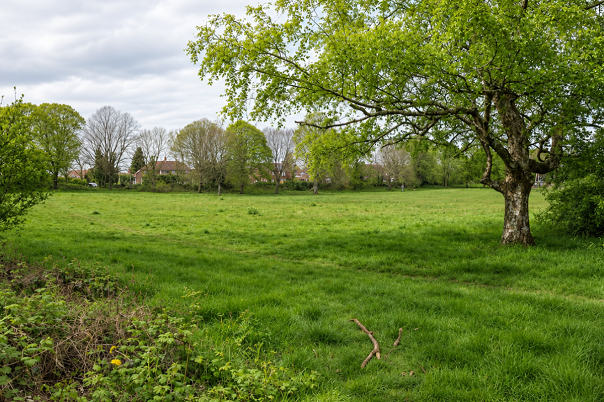
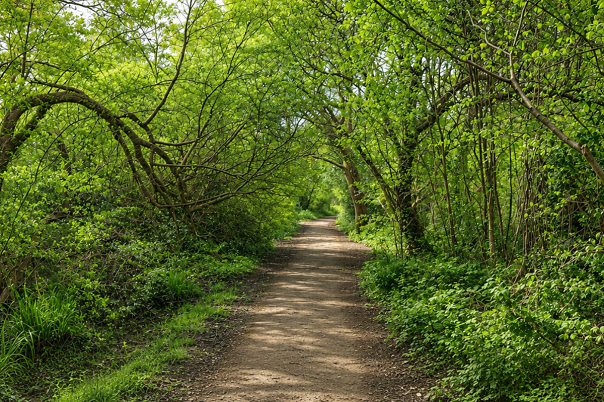
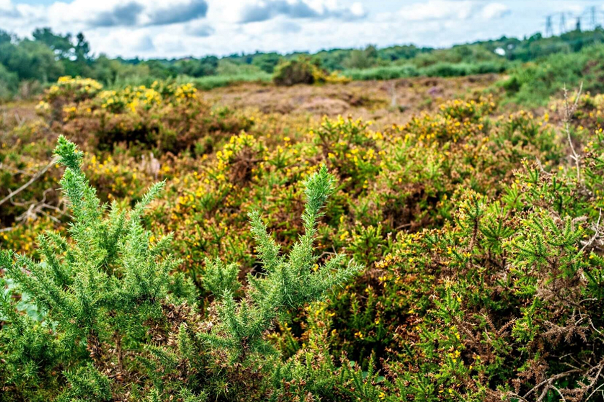
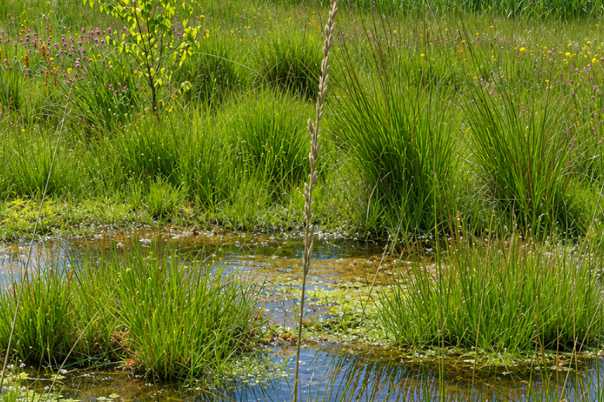
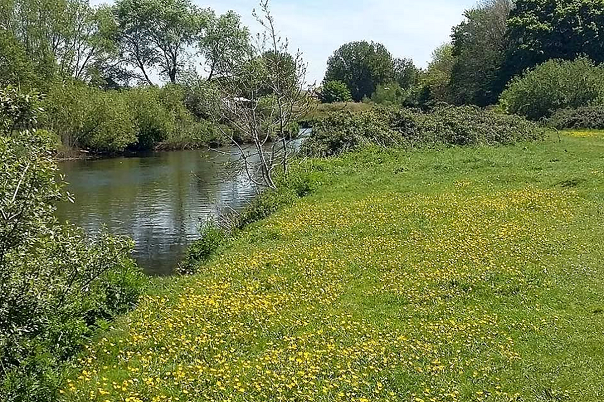
Discover the best nature reserves in Bournemouth, from the coastal scenery of Hengistbury Head to the riverside wildlife of Stour Valley and the peaceful heathlands of Kinson Common and Turbary Common. Explore beautiful woodland walks, rare wildlife, hidden green spaces and some of Bournemouth's most scenic natural landscapes.
24th November 2026
Bournemouth may be best known for its golden beaches and lively seafront, but beyond the coastline lies a wonderful collection of nature reserves, heathlands, woodlands and peaceful riverside walks.
From dramatic coastal viewpoints and colourful wildflowers to quiet woodland paths and rare wildlife, Bournemouth's natural spaces offer something for every kind of outdoor adventure. Whether you're looking for a relaxing afternoon stroll, somewhere to take the children or a chance to discover a quieter side of the area, there are plenty of beautiful places to explore.
Many of Bournemouth's nature reserves are also important conservation areas, protecting some of Dorset's most valuable habitats and wildlife.
Here are some of the best nature reserves in Bournemouth and the surrounding area, including popular coastal destinations and lesser-known green spaces waiting to be discovered.
Best for: Coastal walks, panoramic views, birdwatching and varied landscapes.
Location: Hengistbury Head, Broadway, Southbourne, Bournemouth, BH6 4EW (visitor centre directions).
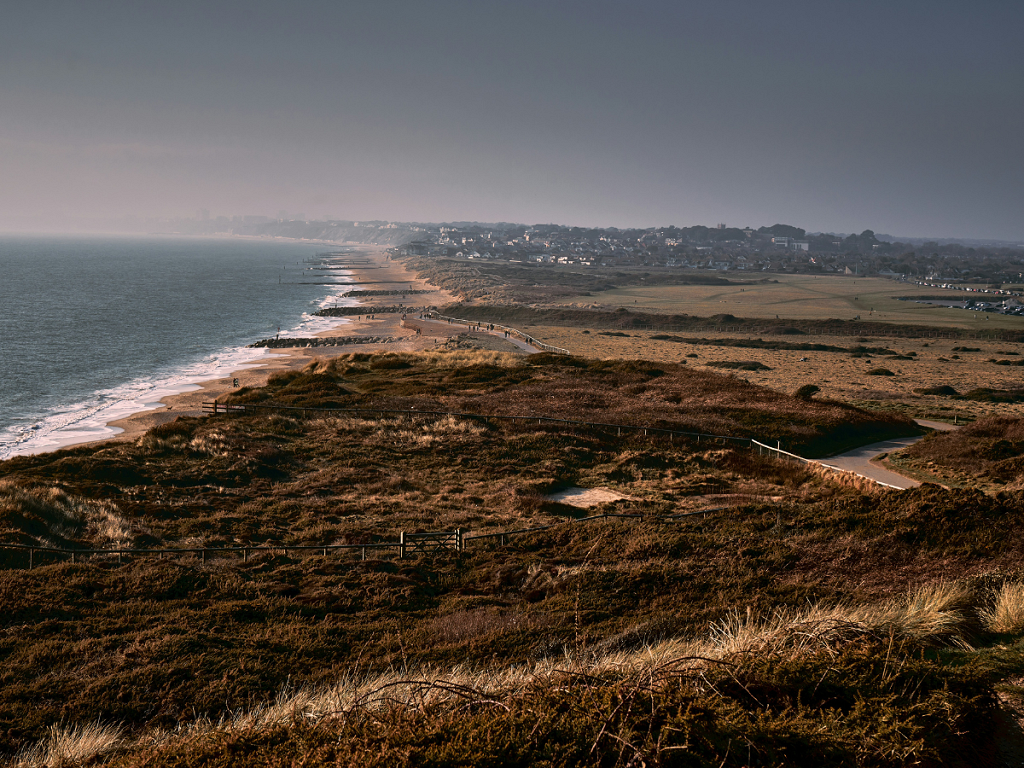
One of Bournemouth's most spectacular natural attractions, Hengistbury Head combines dramatic coastal scenery with an extraordinary variety of wildlife and habitats.
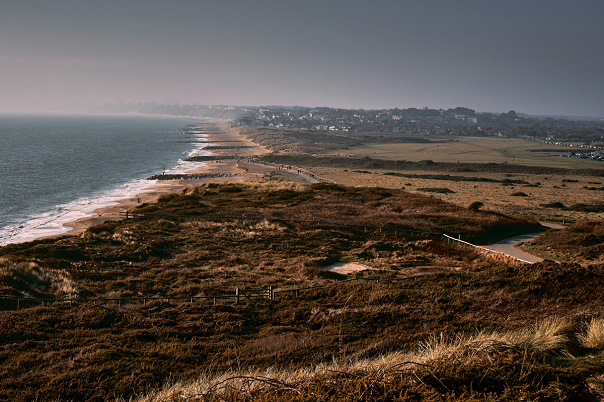
This protected headland sits between Bournemouth's coastline and Christchurch Harbour, offering beautiful views across the sea, harbour and surrounding countryside.
The reserve includes heathland, woodland, grassland, saltmarsh and coastal habitats, making it particularly interesting for nature lovers and birdwatchers. Visitors may spot a variety of coastal birds, seasonal wildflowers and wildlife along the walking trails.
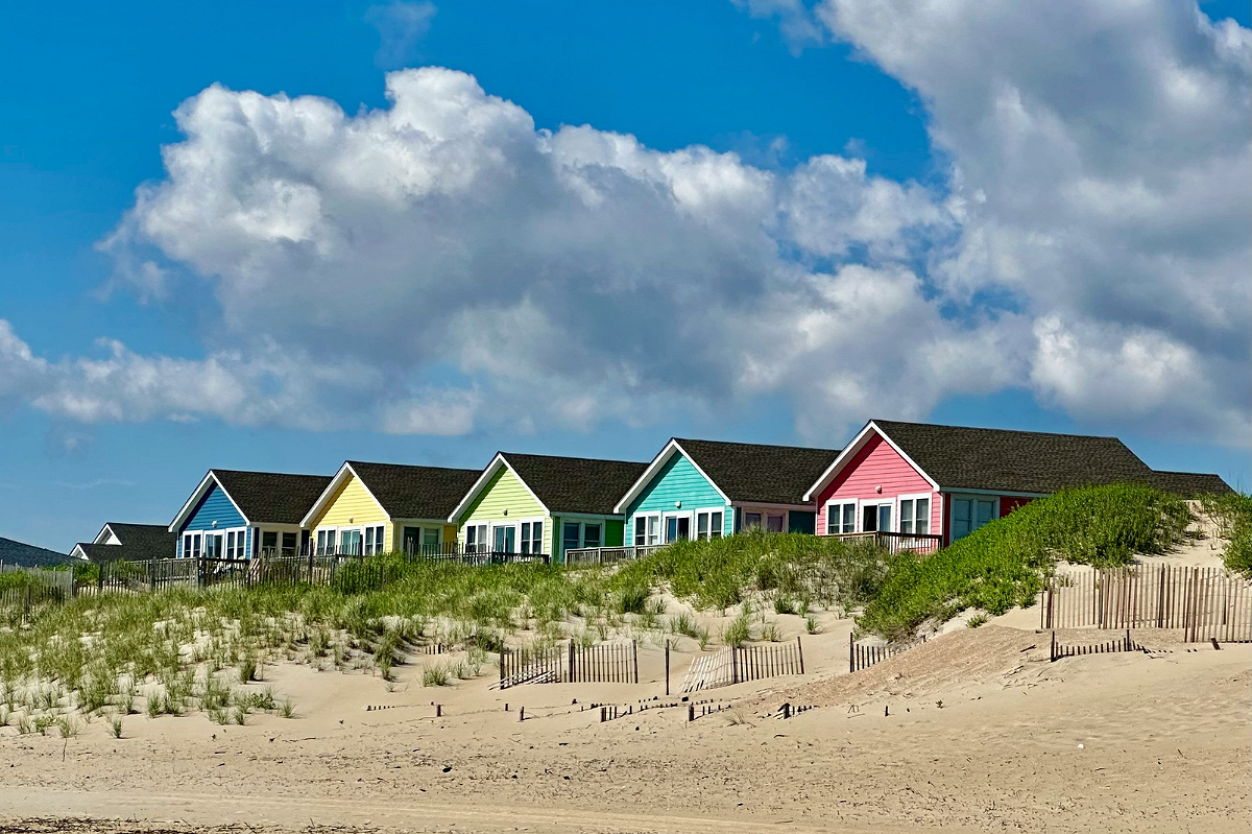
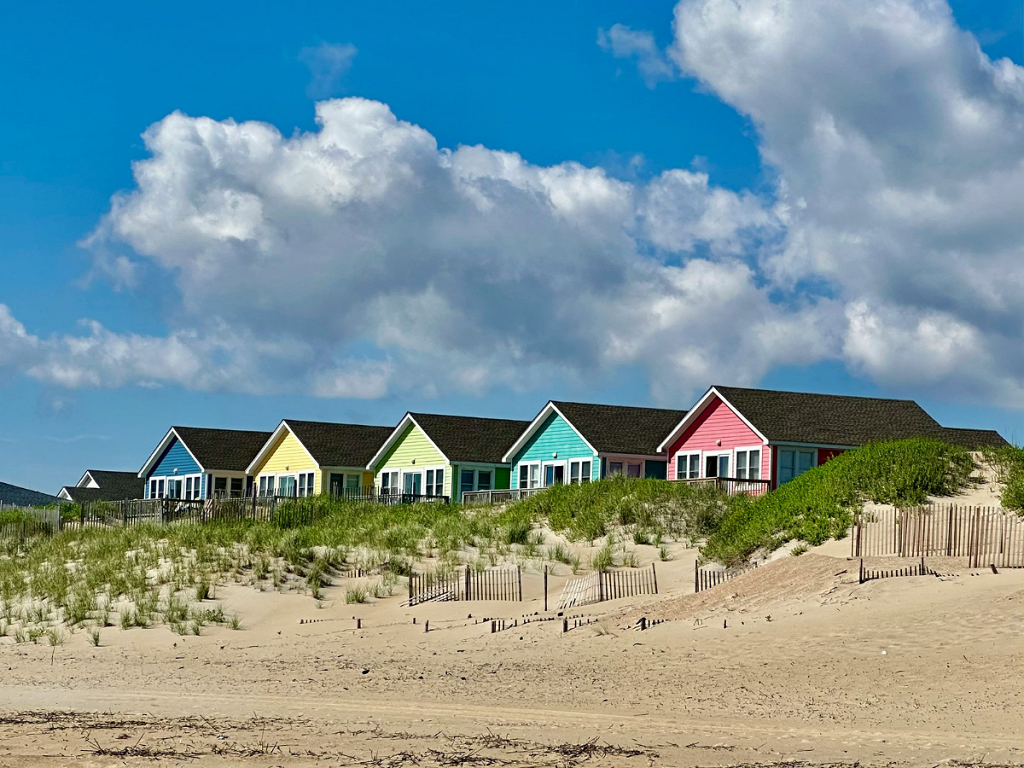
One of the highlights is a walk towards Warren Hill, where elevated paths offer sweeping views across Christchurch Bay. Alternatively, follow the lower harbour-side route towards Mudeford Sandbank, famous for its colourful beach huts.
The Hengistbury Head Visitor Centre provides information about the area's wildlife, geology and fascinating archaeological history.
Things to enjoy:
Scenic coastal and harbour walks.
Birdwatching and wildlife spotting.
Exploring woodland, heathland and grassland.
Visiting the Hengistbury Head Visitor Centre.
Walking towards Mudeford Sandbank.
Visitor information: There is a paid main car park near the Hiker Café, with toilets and refreshments available in designated areas. Walking routes vary in difficulty, and the higher paths and beach sections can involve slopes or uneven surfaces.
Find out more: Hengistbury Head: Walks, Parking and Visitor Guide.
Best for: Riverside walks, kingfishers, wildlife watching and family nature activities.
Location: Kingfisher Barn Visitor Centre, 43 Granby Road, Bournemouth, BH9 3NZ.
For a peaceful escape from Bournemouth's busier attractions, Stour Valley Nature Reserve is one of the area's most enjoyable natural spaces.
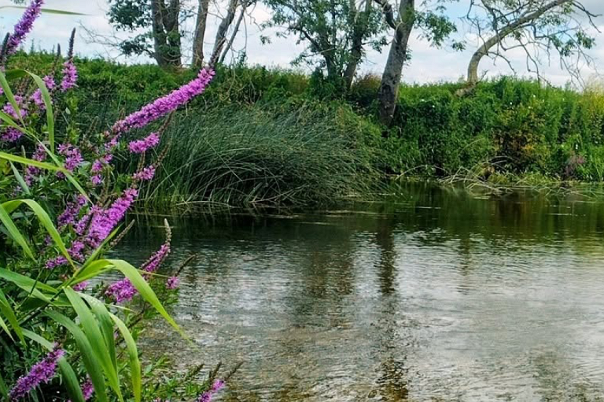
Following approximately three miles of the River Stour, the reserve features beautiful riverside meadows, woodland, grassland and a rich variety of wildlife.
The riverside footpaths provide lovely opportunities for gentle walks and nature photography. Look carefully along the riverbanks and you may be lucky enough to spot a kingfisher flashing past the water, while otters are also occasionally seen in the area.
A particularly enjoyable starting point is Kingfisher Barn Visitor Centre, which introduces visitors to the reserve's wildlife and natural history.
The centre also has a wildlife garden featuring a pond, bug hotels and wildflowers, making it an excellent place to introduce children to nature.
An arboretum within the valley provides another interesting feature for visitors who enjoy discovering different trees.
Things to enjoy:
Peaceful walks beside the River Stour.
Birdwatching, including the chance to see kingfishers.
Exploring woodland and riverside meadows.
Visiting Kingfisher Barn and its wildlife garden.
Taking part in seasonal nature activities and guided events.
Visitor information: The visitor centre provides a useful starting point for walks, information and activities. Some riverside paths may become muddy or affected by wet weather, so suitable footwear is recommended.
Find out more: Stour Valley Nature Reserve – BCP Council.
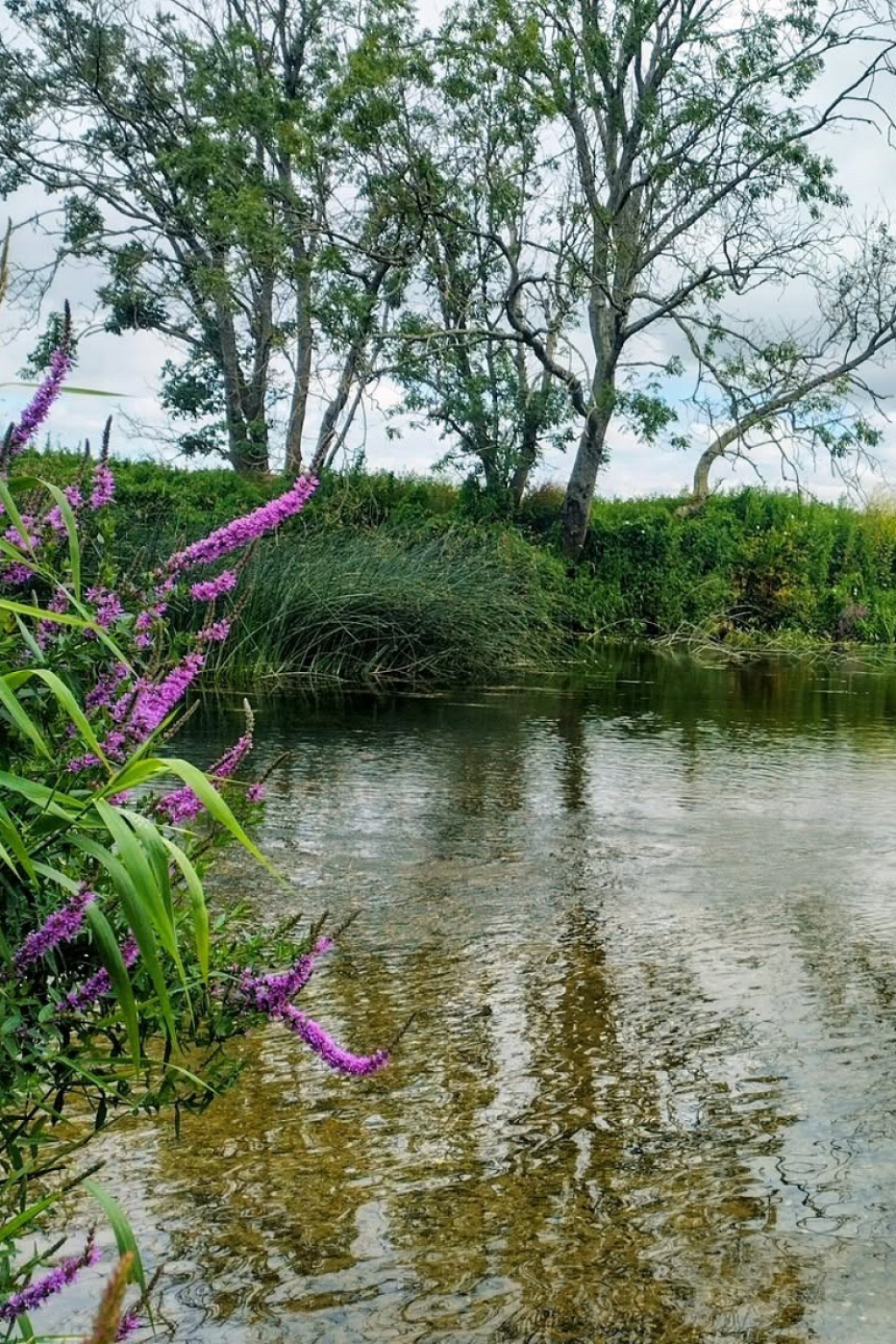
Best for: Peaceful woodland walks, heathland wildlife and exploring somewhere less familiar.
Location: Kinson Road, Bournemouth, BH10 5HF.
Tucked away in the residential area of Kinson, Kinson Common is one of Bournemouth's quieter natural treasures.
Despite its suburban surroundings, this important nature reserve protects a fascinating mixture of woodland, heathland, marshes and meadows.
Its variety of habitats supports numerous plants and animals, making it an interesting destination for visitors who enjoy wildlife and natural landscapes.
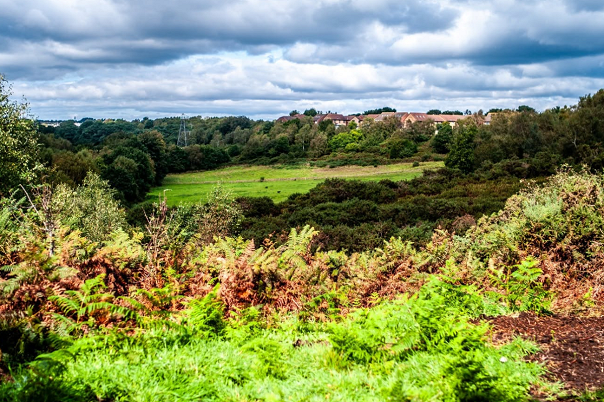
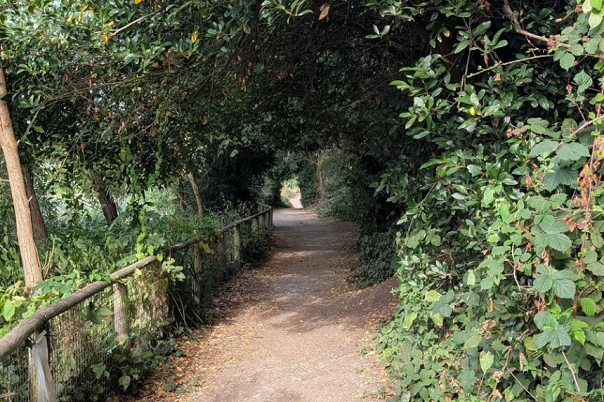
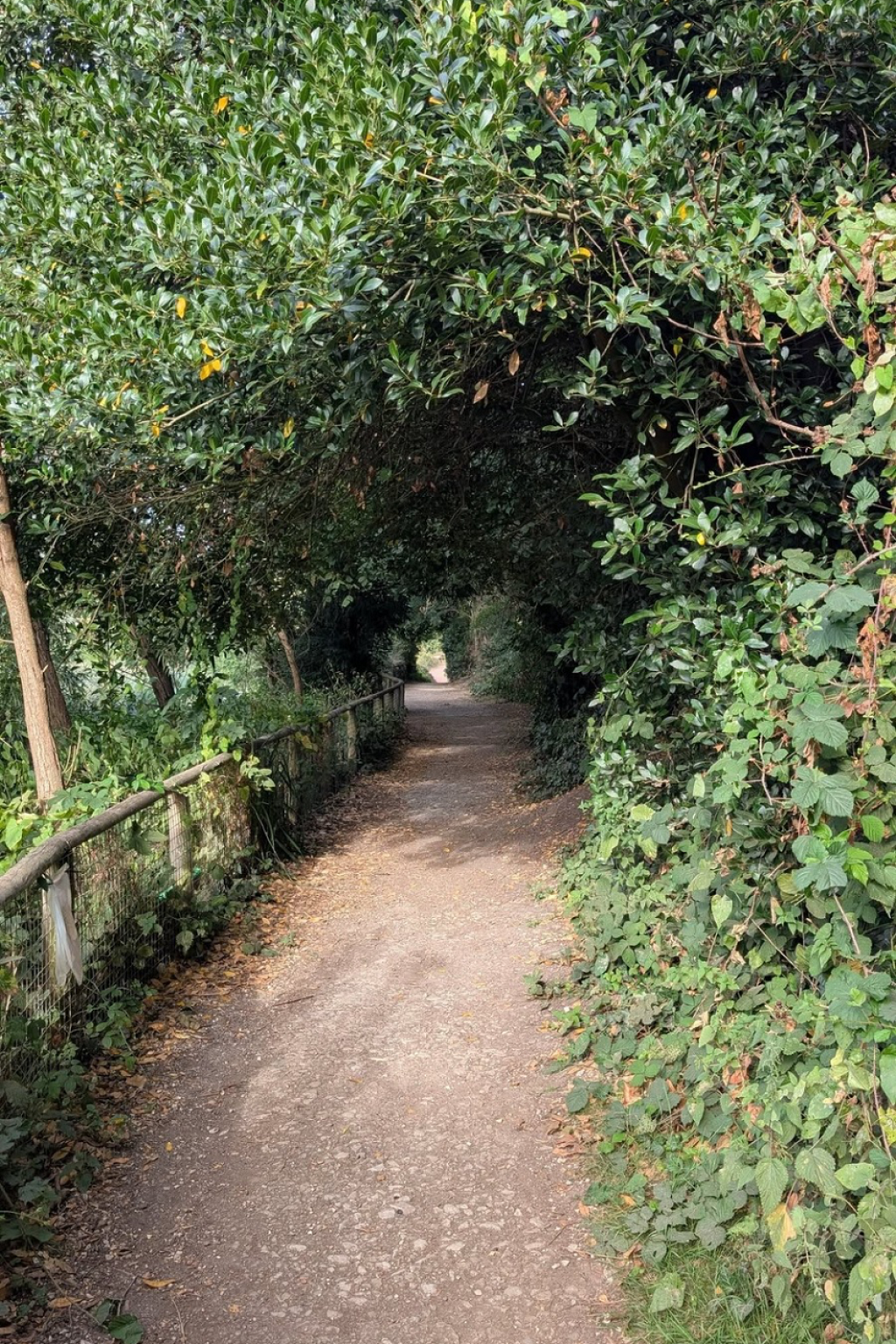
Walking through Kinson Common reveals a changing environment, from shaded woodland paths to more open areas of heathland and grassland.
The heathland is particularly important for conservation, forming part of a protected Site of Special Scientific Interest and Special Area of Conservation.
Visitors may also encounter conservation grazing animals, which help maintain the area's valuable habitats.
Kinson Common is especially appealing to those who prefer peaceful local walks away from Bournemouth's more popular tourist attractions.
Things to enjoy:
Exploring woodland and heathland paths.
Discovering different natural habitats.
Looking for birds, wildflowers and other wildlife.
Enjoying a quieter walk away from the seafront.
Joining occasional guided nature walks.
Visitor information: Expect natural paths and potentially muddy or uneven ground. Keep to designated routes, respect conservation grazing animals and follow local dog restrictions.
Find out more: Kinson Common – BCP Council.
Best for: Rare wildlife, heathland scenery, nature photography and peaceful walks.
Location: Turbary Park Avenue, Bournemouth, BH11 8HH.
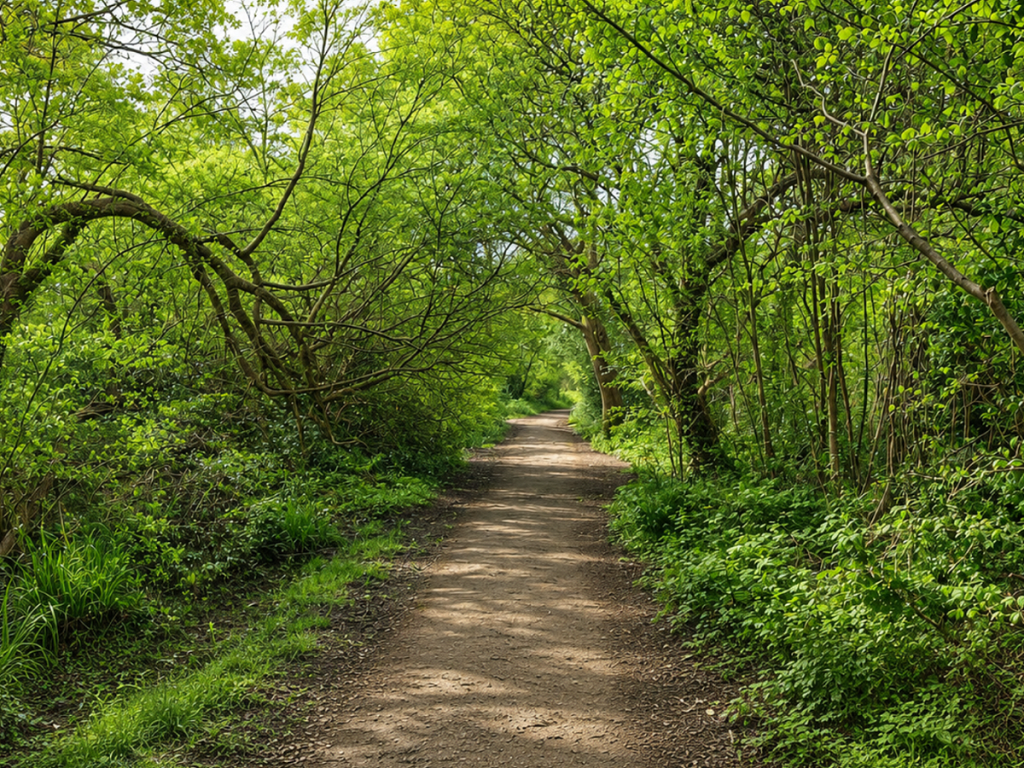
Turbary Common is one of Bournemouth's most fascinating natural spaces, offering a landscape that feels remarkably different from the town's famous coastline.
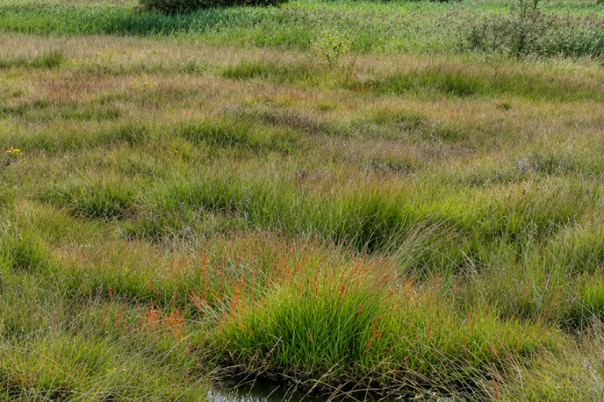
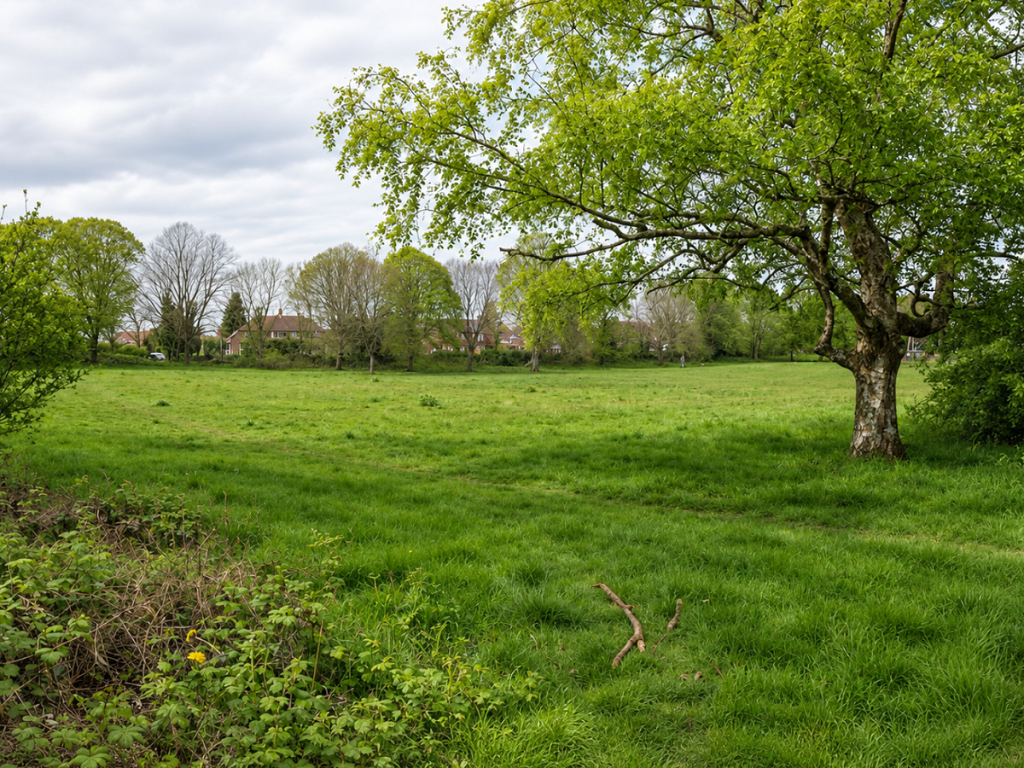
This protected heathland reserve contains areas of dry and wet heath, scrub and woodland, providing important habitats for several rare and unusual species.
Among its remarkable wildlife are Dartford warblers, specialist insects and all six species of British reptile. Rare plants found within the reserve include bog asphodel and carnivorous sundew.
During the warmer months, the landscape becomes particularly attractive as seasonal wildflowers and heather bring colour to the heathland.
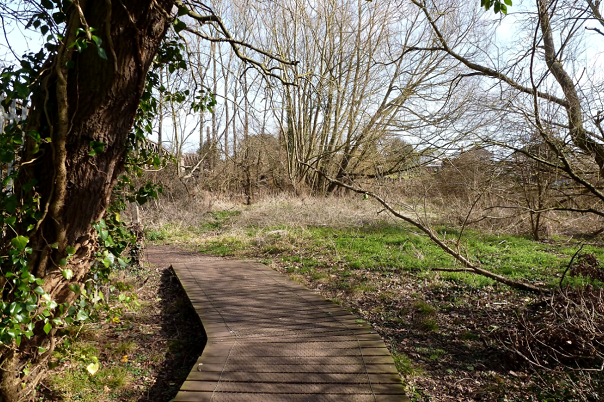
A network of sandy and firmer paths allows visitors to explore the surroundings and appreciate this increasingly rare type of habitat.
Turbary Common is an excellent choice for those interested in local conservation, wildlife photography or discovering somewhere quieter.
Things to enjoy:
Exploring rare Dorset heathland.
Looking for specialist birds, insects and wildflowers.
Enjoying peaceful countryside-style walks.
Learning about protected wildlife habitats.
Joining occasional organised guided walks.
Visitor information: Some paths become muddy after rain. Parts of the reserve may be accessible to wheelchair users, although certain gates require a RADAR key. Conservation grazing animals may be present, and visitors should remain on paths and follow dog restrictions.
Find out more: Turbary Common – BCP Council.
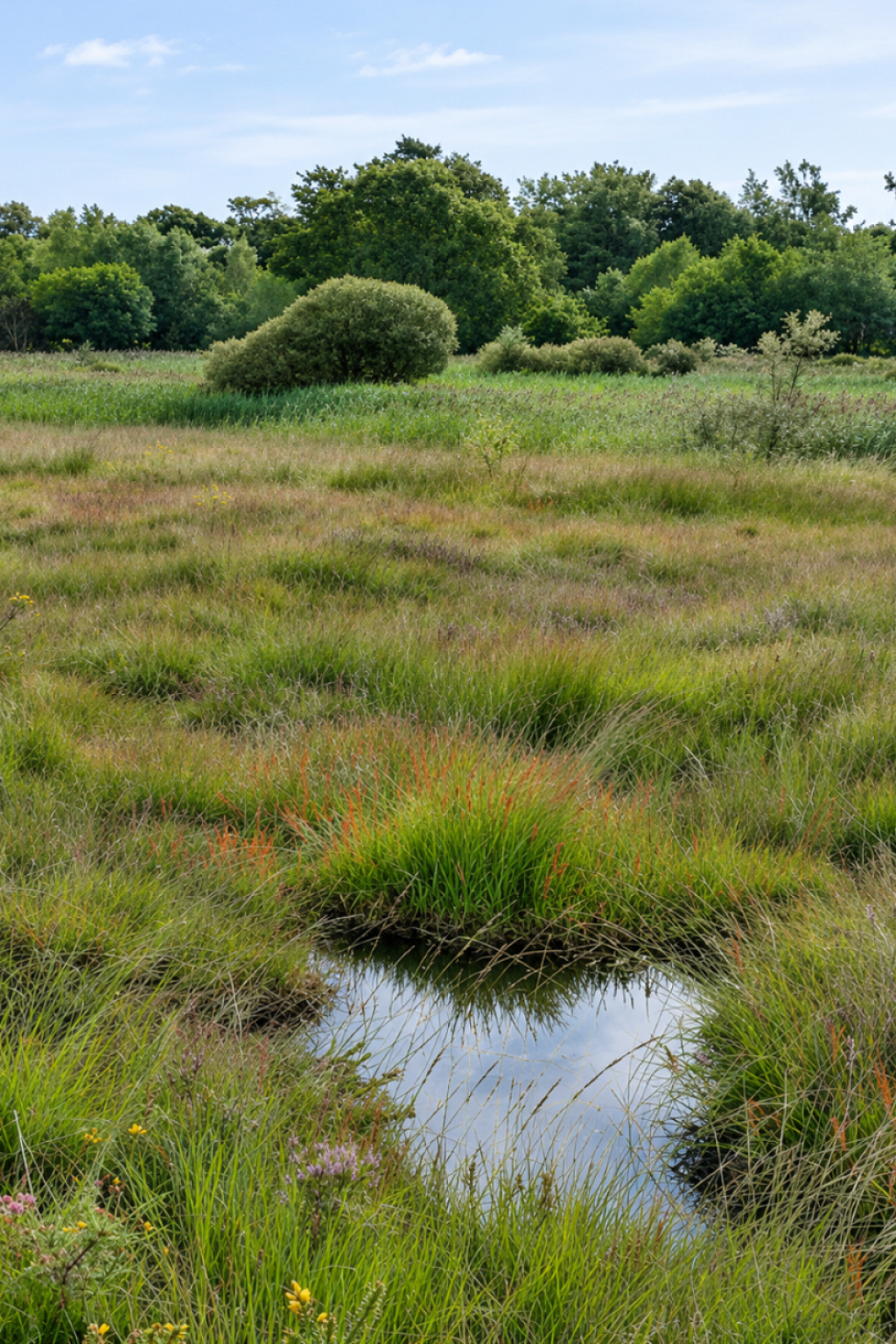
Best for: Woodland walks, dragonflies, heathland scenery and longer outdoor routes.
Location: Bourne Valley, around the Bournemouth and Poole boundary. BCP Council lists Plemont Close, Poole, BH12 4JP, as a location reference.
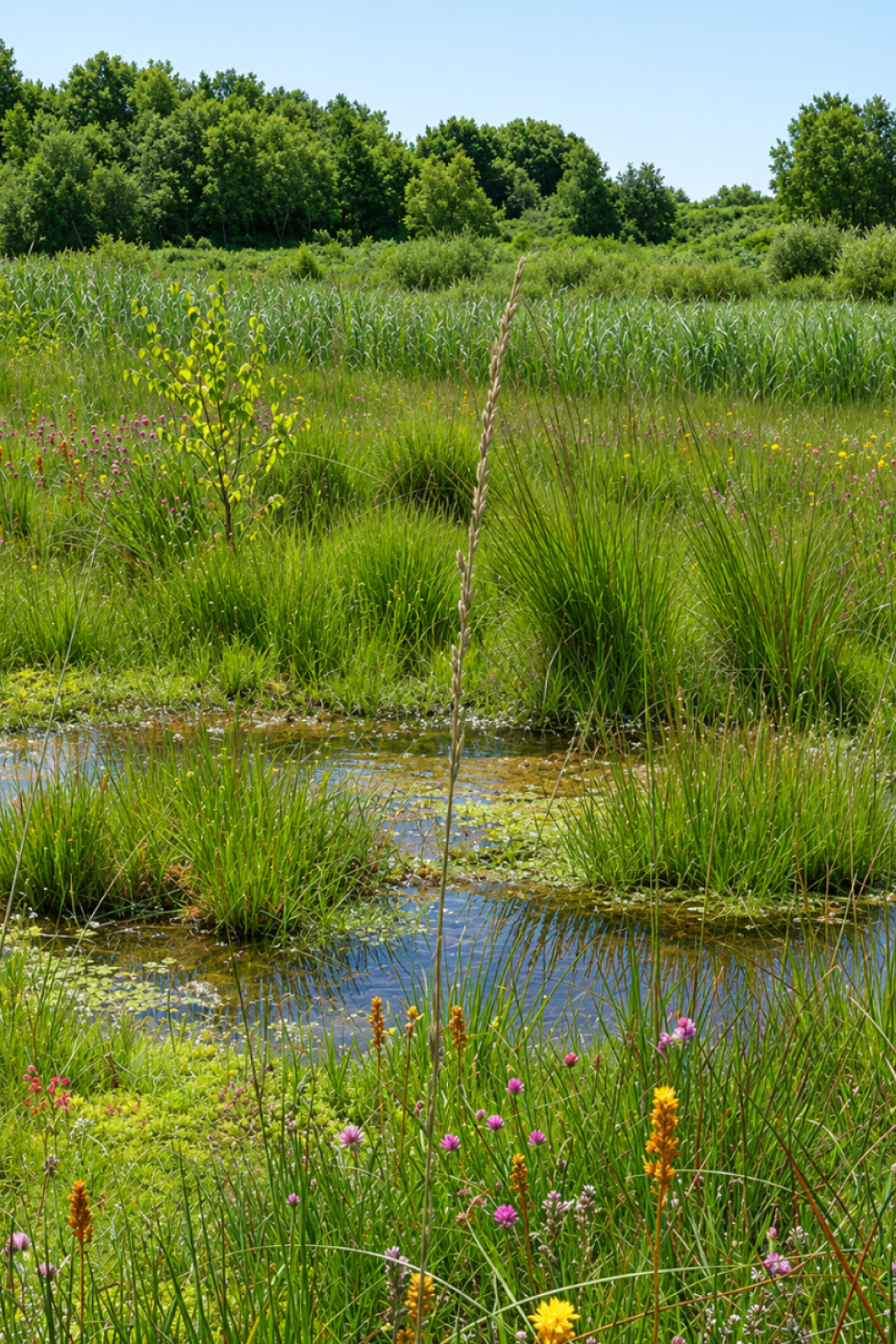
Bourne Valley Nature Reserve offers a beautiful combination of woodland, streams, heathland and open green spaces.
Made up of parts of Bourne Bottom and Bourne Valley Park, this extensive natural area is particularly important for its wet heathland habitats.
The reserve is recognised as one of Dorset's notable locations for dragonflies, which thrive around its acidic pools and wetland environments.
Other wildlife associated with the reserve includes sand lizards and Dartford warblers, while the mixture of trees, grassland and heathland creates varied scenery throughout the year.
One of Bourne Valley's most useful features is its connection to the Bourne Valley Greenway, a largely off-road walking and cycling route linking the Canford Heath area with Bournemouth's seafront.
This makes it a particularly appealing destination for people who enjoy longer walks or exploring different green spaces in one outing.
Things to enjoy:
Walking through woodland and heathland.
Watching dragonflies around ponds and wet areas.
Exploring the Bourne Valley Greenway.
Enjoying peaceful surroundings away from busy roads.
Discovering different plants and natural habitats.
Visitor information: Access points include Evering Avenue, Bloxworth Road and St Brelades Avenue. Paths vary in surface and some areas may be wet or uneven. The Greenway is shared by walkers and cyclists, so be considerate of other users.
Find out more: Bourne Valley Nature Reserve – BCP Council.
Best for: Riverside scenery, open green spaces and relaxed nature walks.
Location: Iford, near the River Stour, Bournemouth.
Iford Meadows is another lovely place to discover Bournemouth's quieter natural side.
Situated near the River Stour, this local nature reserve provides a welcome green space with meadowland and riverside surroundings.
The landscape offers a contrast to Bournemouth's busier seafront, with opportunities to enjoy fresh air, observe birds and appreciate the changing seasons.
It is a pleasant option for those who prefer informal nature walks rather than a busy attraction, particularly when exploring the eastern side of Bournemouth.
The meadows also form part of the area's wider network of valuable riverside habitats.
Things to enjoy:
Peaceful walks through open green surroundings.
Looking for local birdlife.
Enjoying the changing colours of the seasons.
Exploring a lesser-known natural space.
Taking a relaxing break close to the River Stour.
Visitor information: Facilities are limited compared with larger visitor attractions, so plan ahead. Riverside and meadow paths may be muddy in wet weather.
Find out more: Iford Meadows – BCP Council.
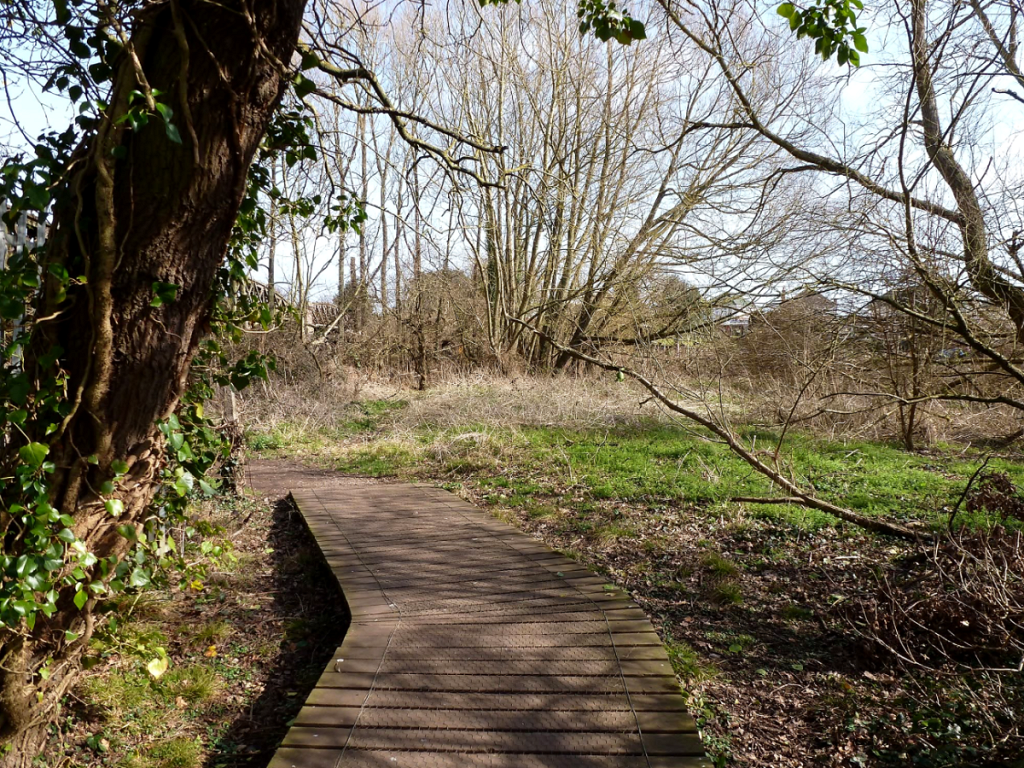
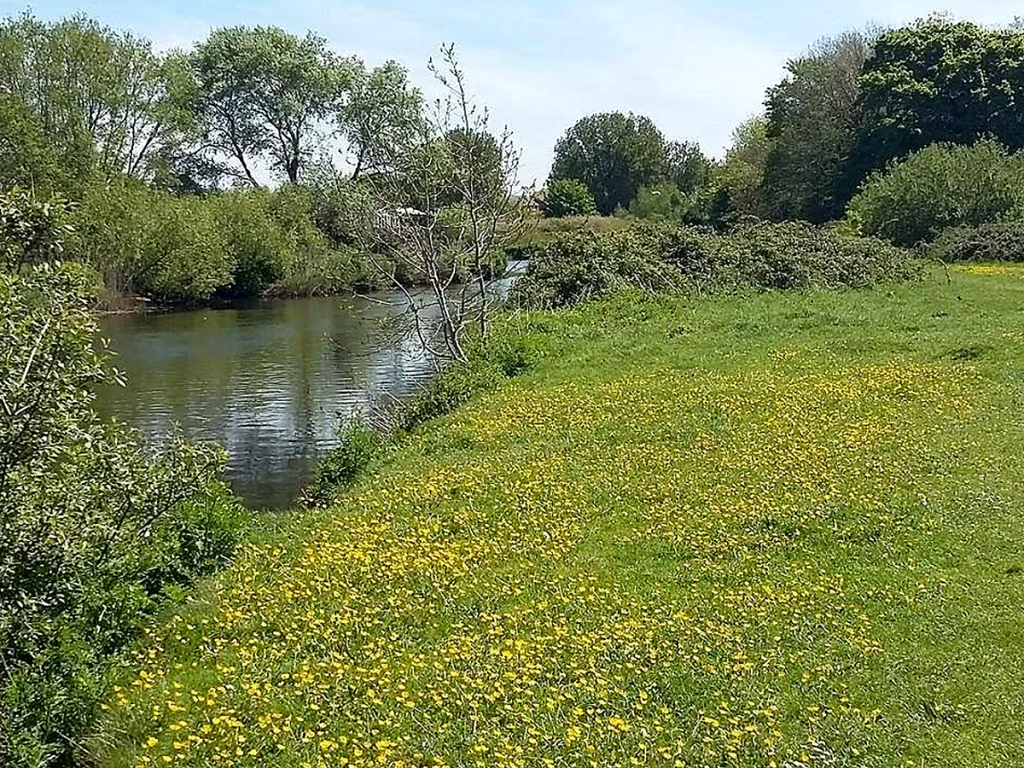
Best for: Rare heathland wildlife, peaceful walks and discovering protected natural habitats.
Location: Branksome, Poole, BH12 1QA, close to Bournemouth.
Just outside Bournemouth, Talbot Heath is another important natural area worth exploring.
Part of the wider Bourne Valley landscape, this protected heathland reserve features open heath and patches of deciduous woodland.
The reserve supports wildlife associated with Dorset's rare lowland heathland, including sand lizards, adders, Dartford warblers, stonechats and silver-studded blue butterflies.
Visitors can also discover a Bronze Age burial mound, adding a fascinating historical element to the natural landscape.
Talbot Heath is particularly interesting for visitors who enjoy less-developed countryside environments and wildlife-focused walking.
Things to enjoy:
Walking through protected heathland.
Birdwatching and wildlife photography.
Discovering seasonal wildflowers and insects.
Exploring woodland and open habitats.
Learning about the area's ancient history.
Visitor information: Access points include Dalling Road, Winston Avenue, Mayford Road, Purchase Road, East Avenue and Branksome Hill Road. Nearby on-street parking is limited. Remain on designated paths and follow wildlife protection guidance.
Find out more: Talbot Heath – BCP Council.
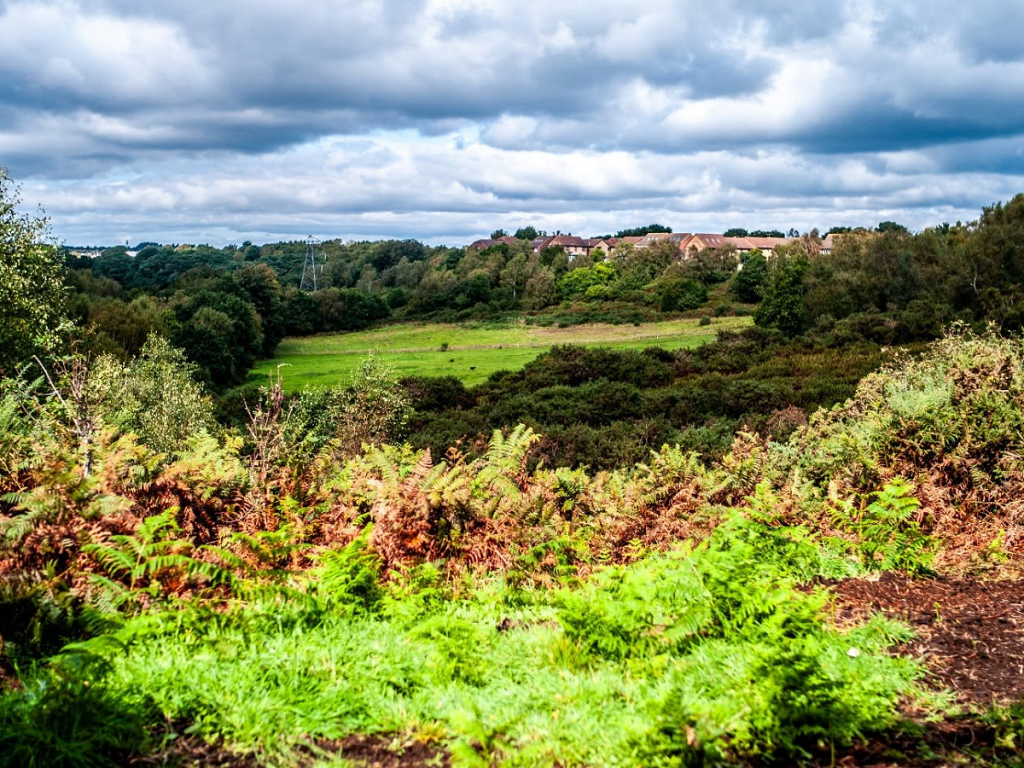
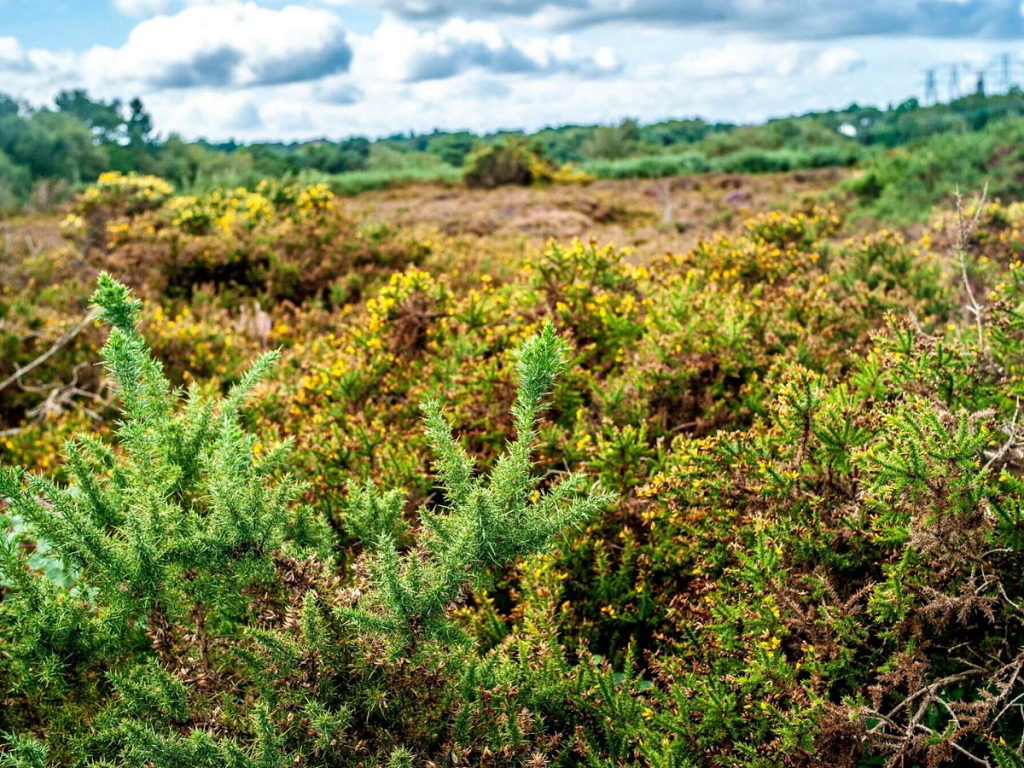
Bournemouth's nature reserves protect an impressive variety of habitats, from coastal grassland and woodland to rare lowland heath and riverside wetlands.
Depending on the location and time of year, visitors may encounter:
Birds: Kingfishers, Dartford warblers, stonechats, waterbirds and seasonal migrants.
Mammals: Otters are occasionally recorded along the Stour Valley, although sightings are uncommon.
Reptiles: Species such as sand lizards and adders inhabit some of the area's protected heathlands.
Insects: Dragonflies, butterflies and specialist heathland insects become particularly noticeable during warmer weather.
Plants: Heather, bog asphodel, sundew and a variety of woodland and meadow wildflowers.
Wildlife sightings are never guaranteed. The best approach is to explore quietly, stay on marked paths and observe animals from a distance without disturbing them.
Many of these beautiful green spaces are protected because they support rare and vulnerable wildlife.
A few simple precautions help keep them special for future visitors.
Stay on established paths to protect sensitive plants and habitats.
Keep dogs under control and follow all displayed lead restrictions.
Observe wildlife from a distance, especially during the bird breeding season.
Never light fires or disposable barbecues on heathland.
Take litter home and avoid damaging plants or disturbing animals.
Follow local guidance when conservation grazing animals are present.
Wear suitable footwear and check conditions following heavy rain.
BCP Council operates seasonal dog-on-lead requirements in protected heathland and nature reserve areas. Restrictions vary by location, so always check the signs and official guidance before visiting.
For more information, see BCP Council's nature reserve dog guidance.


 Spanish
 Chinese (simplified)
 Dutch
 French
 German
 Italian
 Norwegian
 Polish
 Romanian
 Russian