Looking for the best areas to live in Bournemouth? From Westbourne’s independent shops and Southbourne’s coastal streets to the everyday convenience of Winton and the greener surroundings of Talbot Woods, this guide compares the town’s main neighbourhoods. Explore housing types, local amenities, outdoor space and transport considerations, with practical advice to help you choose somewhere that suits your budget, your routine and the way you want to live.

24th November 2026
A morning walk beside the sea, a café around the corner or enough garden space to enjoy a Sunday afternoon at home - moving to Bournemouth can mean quite different things depending on where you settle.
Some neighbourhoods put the beach and restaurants at the centre of daily life. Others offer inland shopping streets, established residential roads and green spaces that you might miss on a weekend visit.
We’d start with your ordinary weekday. Where will you work, buy groceries, catch a bus or take the children after school? The best area to live in Bournemouth is the one that makes your everyday routine work, as well as offering somewhere you enjoy coming home to.

Image: Unsplash
Worth considering if: you want a neighbourhood centre with plenty within walking distance.
Westbourne’s appeal starts with its compact shopping streets, Victorian arcade, cafés and restaurants. It offers somewhere to browse, meet friends and pick up everyday essentials without making every outing a trip into central Bournemouth.
Housing includes converted period properties and purpose-built apartments, with houses on surrounding residential roads. Towards Alum Chine, the wooded route to the beach adds another dimension to living here.
Westbourne is served by buses towards Bournemouth and Poole, including the Morebus m1. For regular train travel, compare the journey from your prospective address to Branksome and Bournemouth stations.
The practical compromise: a home convenient for the shops is not necessarily equally convenient for the beach or railway. Walk your likely routes and check parking arrangements, particularly when viewing a flat.
Read our detailed guide to living in Westbourne.
Image: WestbourneLifestyle
Worth considering if: you want coastal walks alongside independent shops and places to eat.
Southbourne combines the businesses around Southbourne Grove with the clifftop, beach and green corridor of Fisherman’s Walk. Its appeal is the possibility of fitting these into an ordinary day, rather than saving the seaside for weekends.
There are period houses, converted flats and apartments, but location makes a substantial difference. Living near the Grove offers a different routine from choosing the eastern end towards Hengistbury Head or the inland streets around Tuckton.
For rail travel, investigate access to Pokesdown station from the particular property. It should not be treated as equally walkable from every part of Southbourne.
The practical compromise: decide whether the high street, coast or transport matters most. Visit on a sunny weekend as well as a weekday to assess activity and parking near your shortlisted home.
Explore our guide to Southbourne’s different areas and everyday life.

Image: Unsplash
Worth considering if: you want established shopping streets, seaside amenities or access to Pokesdown station.
Boscombe offers its own shopping centre, beach and pier, while Pokesdown has a distinct mix of independent and vintage businesses. Housing includes older houses, conversions and purpose-built flats, giving you different options to investigate.
These adjoining areas deserve more than a single broad description. A property near Boscombe’s seafront offers a different daily experience from one beside Christchurch Road or closer to Pokesdown station.
Pokesdown can be useful for rail passengers, but anyone needing step-free access should check the current station facilities before relying on it.
The practical compromise: assess the actual street, neighbouring buildings and routes you would use. Visit in the evening as well as during the day, and check both the walk to the beach and the journey to work.

Image: Unsplash
Worth considering if: everyday amenities matter more than having the beach nearby.
Winton centres on the businesses along Wimborne Road, while Charminster has a broad selection of restaurants, food shops and takeaways. Both offer an alternative to Bournemouth’s coastal neighbourhoods, with university connections helping shape parts of the local rental market.
The housing mix includes residential houses, flats and shared accommodation. If you are considering a particular road, look at neighbouring property use rather than assuming every street has the same atmosphere.
Winton Recreation Ground provides local outdoor space, while Stokewood offers swimming and fitness facilities in the Winton and Charminster area.
The practical compromise: main-road convenience can come with traffic and activity. Check evening parking, the walk to your nearest bus stop and whether the available service matches your working hours.
Worth considering if: you want an inland base with shops and services nearby.
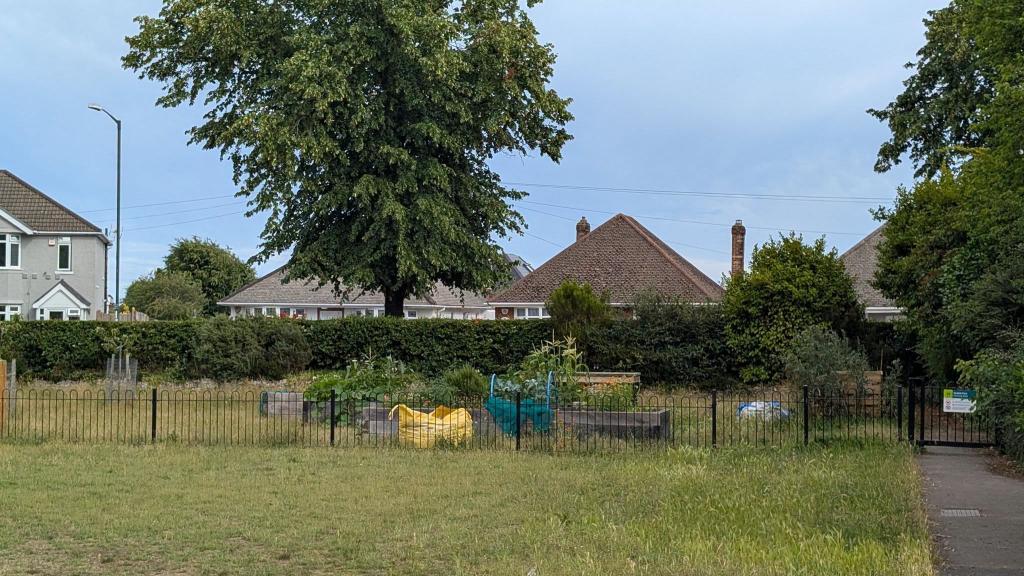
Further along the Wimborne Road corridor, Moordown combines a shopping area with established residential streets. Houses and bungalows are among the options to explore, making it worth including when comparing homes beyond the coastal apartment market.
Nearby Redhill Park adds outdoor space, with a play area and café. Your walking route will depend on which part of Moordown you choose.
The practical compromise: the beach and railway are separate journeys rather than doorstep amenities. Test the school run or commute at the time you would actually travel, including any bus connections.
Worth considering if: your priorities include a greener setting and space around your home.
Talbot Woods and Queen’s Park are separate neighbourhoods, but both deserve a place on the shortlist for buyers exploring leafy residential roads and larger houses.
Around Talbot Woods, access to Meyrick Park is part of the appeal. The park includes sporting facilities and a golf club, providing a substantial green space close to the wider town centre. Queen’s Park offers a different setting around its own golf course.
Alongside larger properties, you will find some apartment options. Compare the individual setting carefully: being near green space does not automatically mean being near shops or a convenient bus stop.
The practical compromise: walk to your everyday essentials before deciding. A peaceful-looking road may work beautifully for one household but involve too many additional journeys for another.

Worth considering if: you want entertainment, restaurants and coastal walks close at hand.
Central Bournemouth puts the gardens, seafront and cultural venues within reach. West Cliff offers a position towards Westbourne, while East Cliff extends towards Boscombe. Flats are a major part of the housing choice, including purpose-built blocks and converted properties.
The town centre is also a focus for bus services, although routes, stops and diversions should be checked against current operator information.
The practical compromise: “central” does not necessarily mean beside Bournemouth railway station. Walk that journey if you expect to use it regularly. For flats, investigate parking, building upkeep and noise from nearby roads, venues or other properties.
An evening viewing can reveal things a quiet weekday appointment will miss.

Image: Unsplash
Worth considering if: you prefer a residential base away from the seafront.
Kinson and Northbourne offer another side of Bournemouth, with houses, bungalows and local amenities rather than a lifestyle centred on the beach.
Kinson has its own shopping area, while Kinson Common provides woodland, heathland, marsh and meadow habitats within the surrounding residential neighbourhood. Northbourne also brings the River Stour side of Bournemouth into consideration.
The practical compromise: assess journeys individually. Workplaces, railway stations and the coast can require quite different routes, so test your likely commute rather than relying on a general description of road access.

Image: “Stourdawn060912” by Richard Szwejkowski, CC BY-SA 2.0.
Christchurch is a separate town, rather than a Bournemouth neighbourhood, but it is worth comparing if your search extends across the wider area.
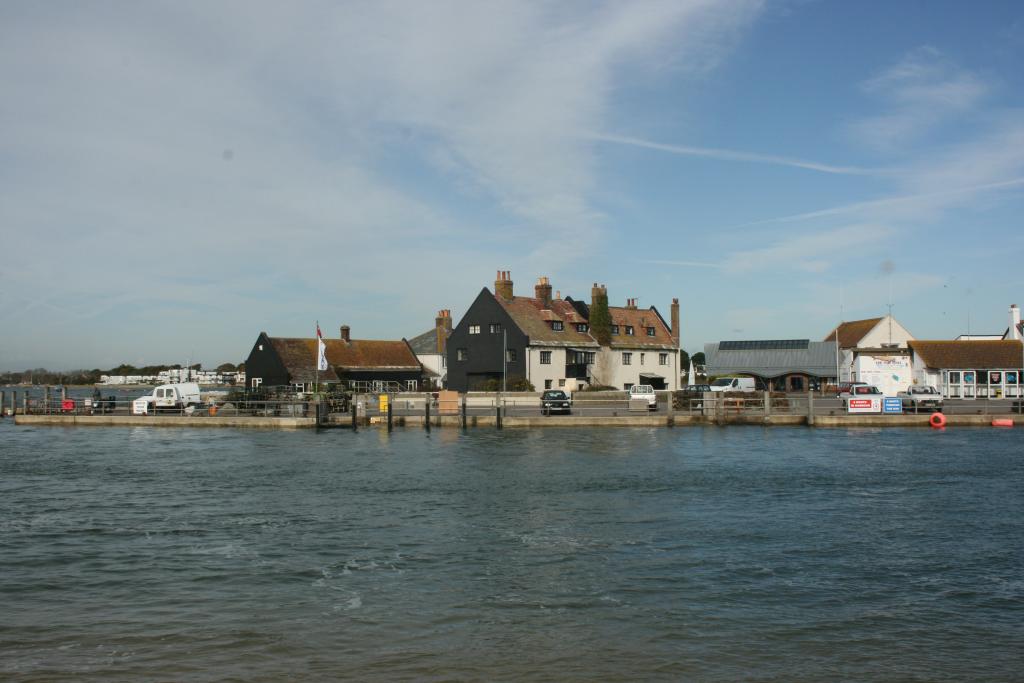
Its historic centre, riverside setting and surrounding areas offer different possibilities. Living near the town centre is not the same proposition as choosing Mudeford or Highcliffe, particularly when considering access to shops, the coast and rail services.
Read our guide to moving to Christchurch and choosing an area.

Once you have two or three areas in mind, spend time in them as a prospective resident.
Try an ordinary journey. Travel to your workplace, station or regular destination at the relevant time.
Walk to the essentials. Check groceries, bus stops and green space from the actual address.
Visit twice. Compare a weekday with an evening or weekend.
Look beyond the property photographs. Notice parking, traffic, neighbouring buildings and the condition of shared spaces.
Compare like-for-like homes. Consider property type, size, condition and ongoing costs rather than judging an entire neighbourhood by a few listings.
Research family needs separately. Check current school admissions arrangements and childcare availability rather than relying on an area’s reputation.
For public transport, use the Morebus timetables and maps and South Western Railway station information to investigate your shortlisted addresses.
The right Bournemouth neighbourhood should offer more than a lovely afternoon out. It should make the working week easier, put the things you enjoy within reach and feel like somewhere you can build your own version of life by the coast.


 Spanish
 Chinese (simplified)
 Dutch
 French
 German
 Italian
 Norwegian
 Polish
 Romanian
 Russian