

 Spanish
 Chinese (simplified)
 Dutch
 French
 German
 Italian
 Norwegian
 Polish
 Romanian
 Russian
Click to view Facebook page
The author of Frankenstein lies in St Peter's churchyard on Hinton Road with her parents and, it is said, her husband's heart. What is documented, what is legend, and the Herbert Home in Westbourne.
24th November 2026

Click to view Facebook page
Most people know that Mary Shelley wrote Frankenstein. Far fewer know she is buried in the middle of Bournemouth, in the town centre, under a white marble tomb she shares with her parents. The grave sits in the churchyard of St Peter's Church on Hinton Road, and a second Bournemouth story hangs on the same few pages of history: a Victorian convalescent home in Westbourne with a link to Florence Nightingale. Here is what is documented, and what is only said.
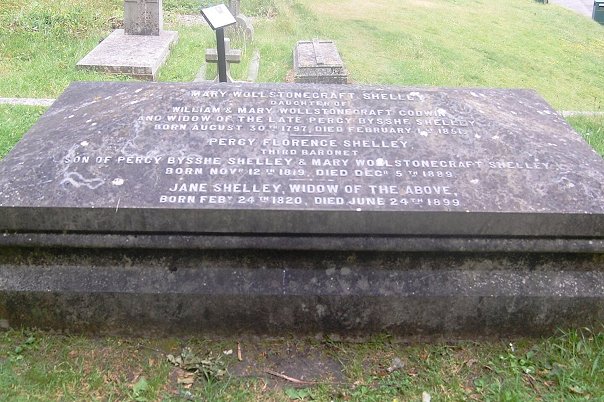
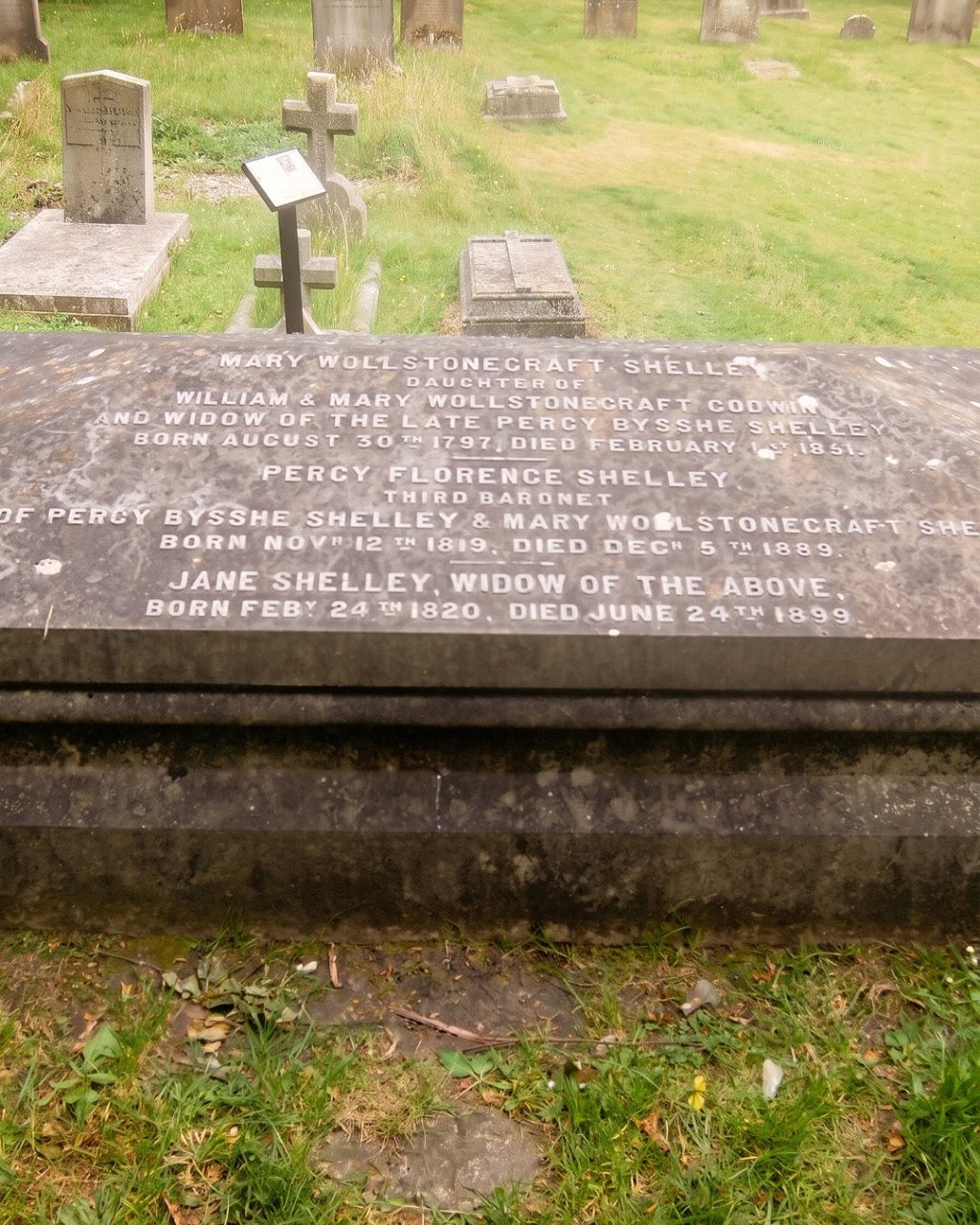
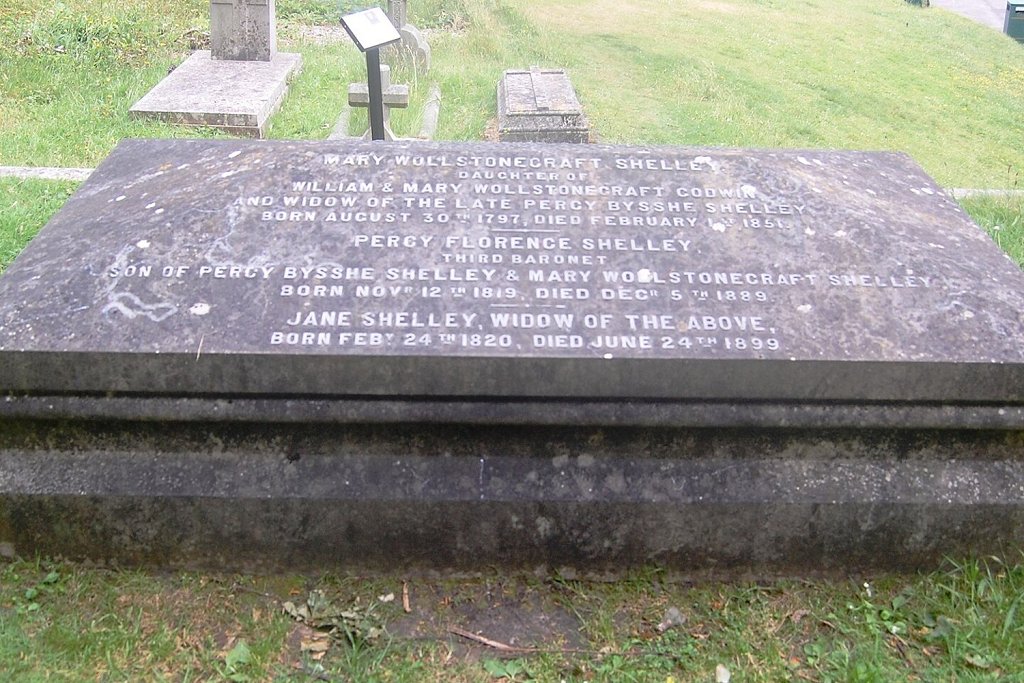
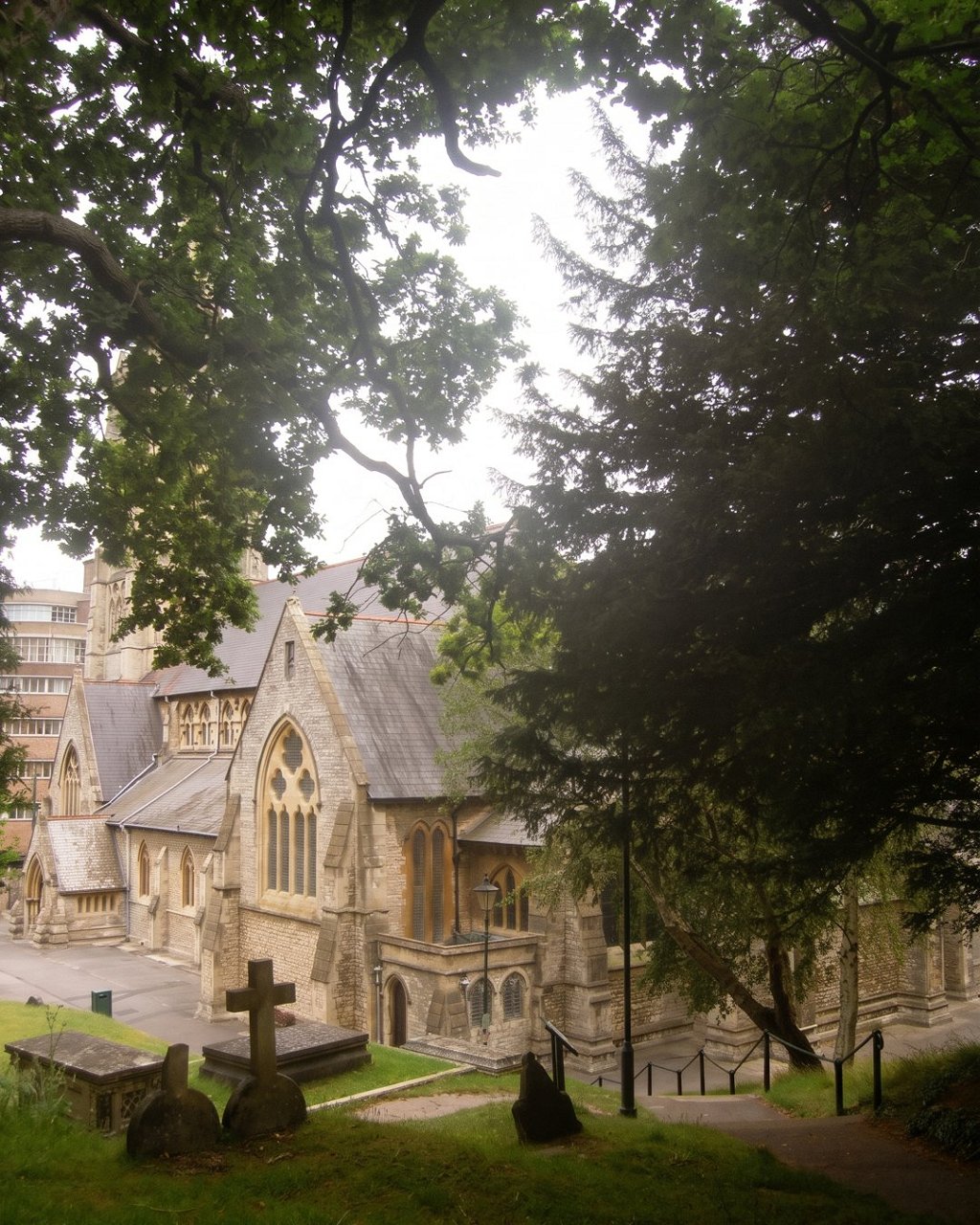
Mary Shelley died in London on 1 February 1851, aged 53, at her home in Chester Square. She had asked to be buried with her parents, the philosopher William Godwin and the writer Mary Wollstonecraft, who lay in St Pancras churchyard. Her son, Sir Percy Florence Shelley, and his wife Jane lived at Boscombe Manor, so they chose St Peter's, close to home, and had her parents' remains moved to join her.
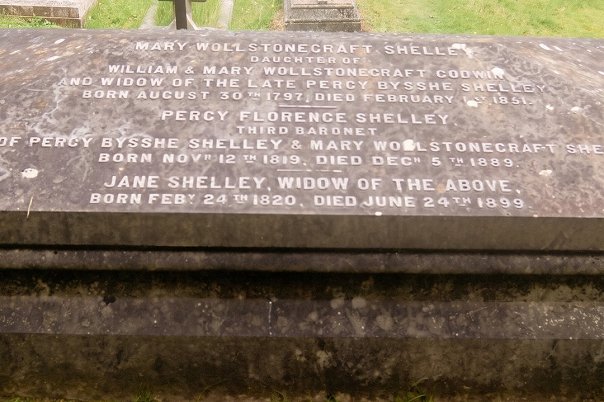
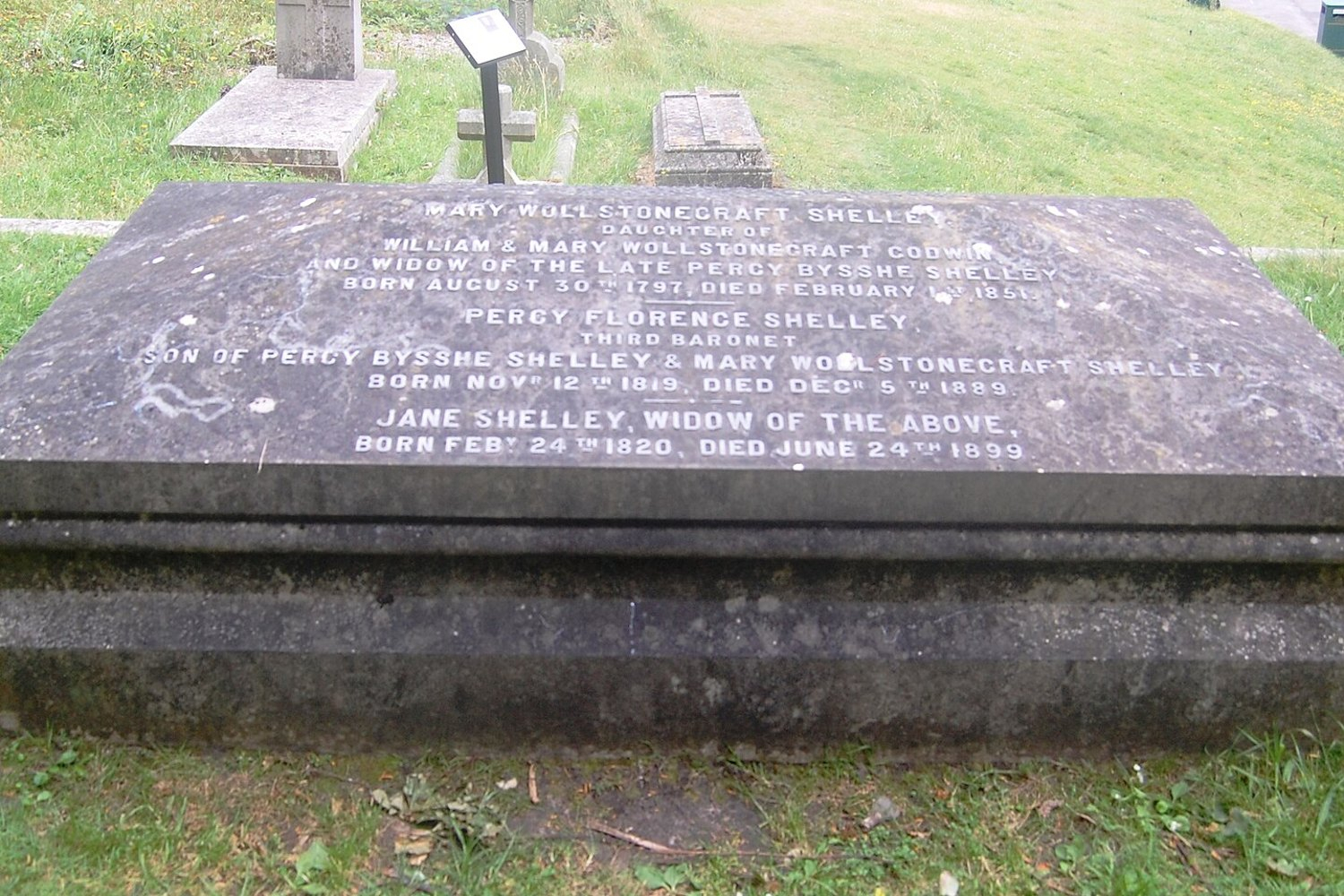
That detail is in the Historic England list entry for the tomb, which records the bodies of William and Mary Godwin as brought from St Pancras. The Shelley tomb is a white marble altar tomb on the terrace beside the churchyard steps, put up around 1853 by Percy Florence. The stone itself names Mary Wollstonecraft Shelley, her son and his wife. It is Grade II listed, and the entry says it was built to contain the poet's heart.
This is the part that is said rather than proved. Percy Bysshe Shelley drowned off the Italian coast in 1822 and was cremated on the beach. The story goes that his heart did not burn, and that it was saved and given to Mary. She is reported to have kept it wrapped in silk, and it is said to have been found in her desk after her death. The Historic England entry ties the heart to this tomb, and the account usually told is that it was buried with Percy Florence when he died in 1889. Treat it as the best local tradition rather than a confirmed record.
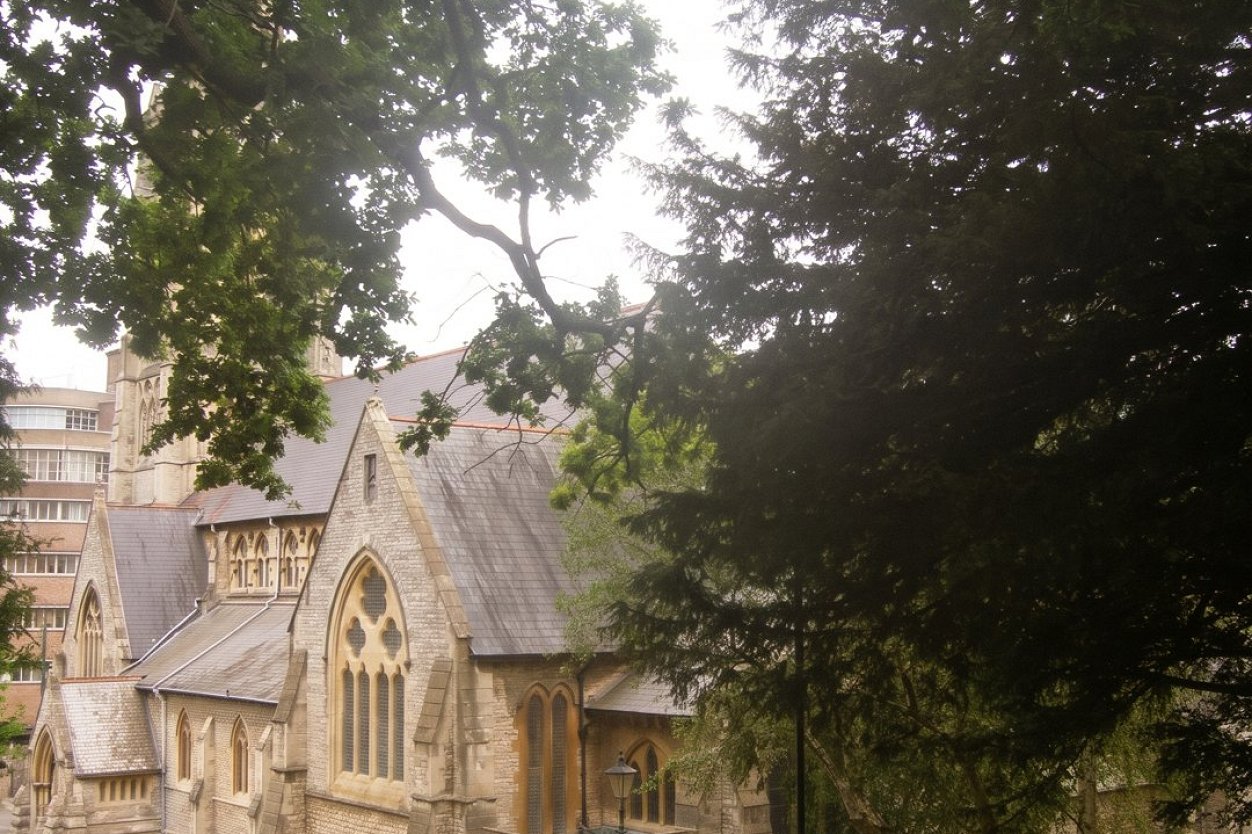
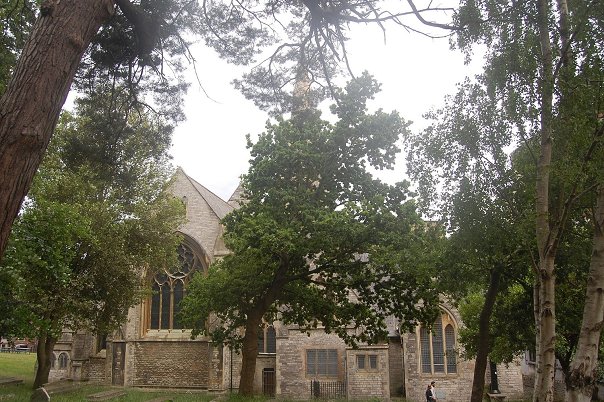
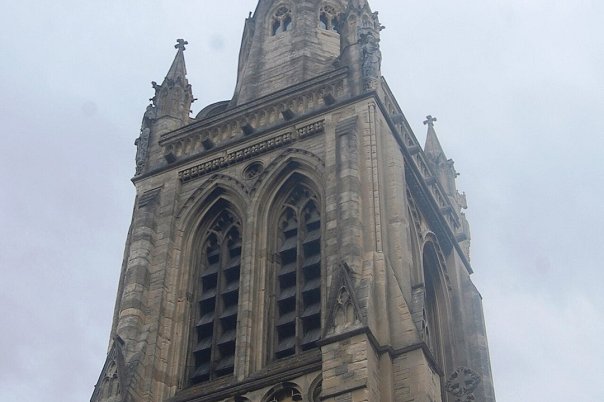
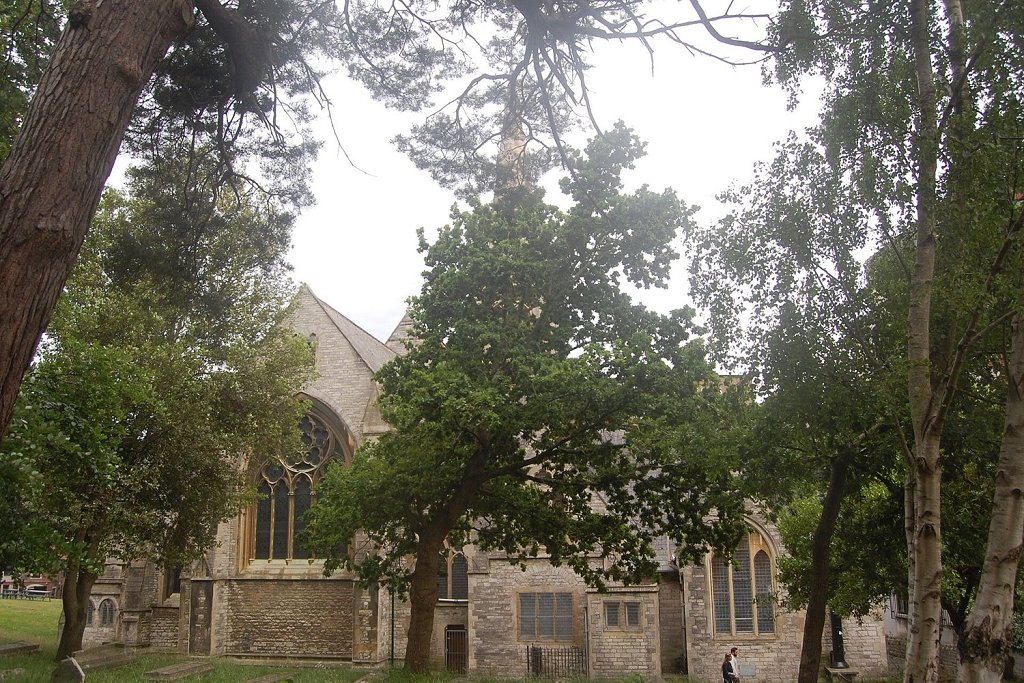
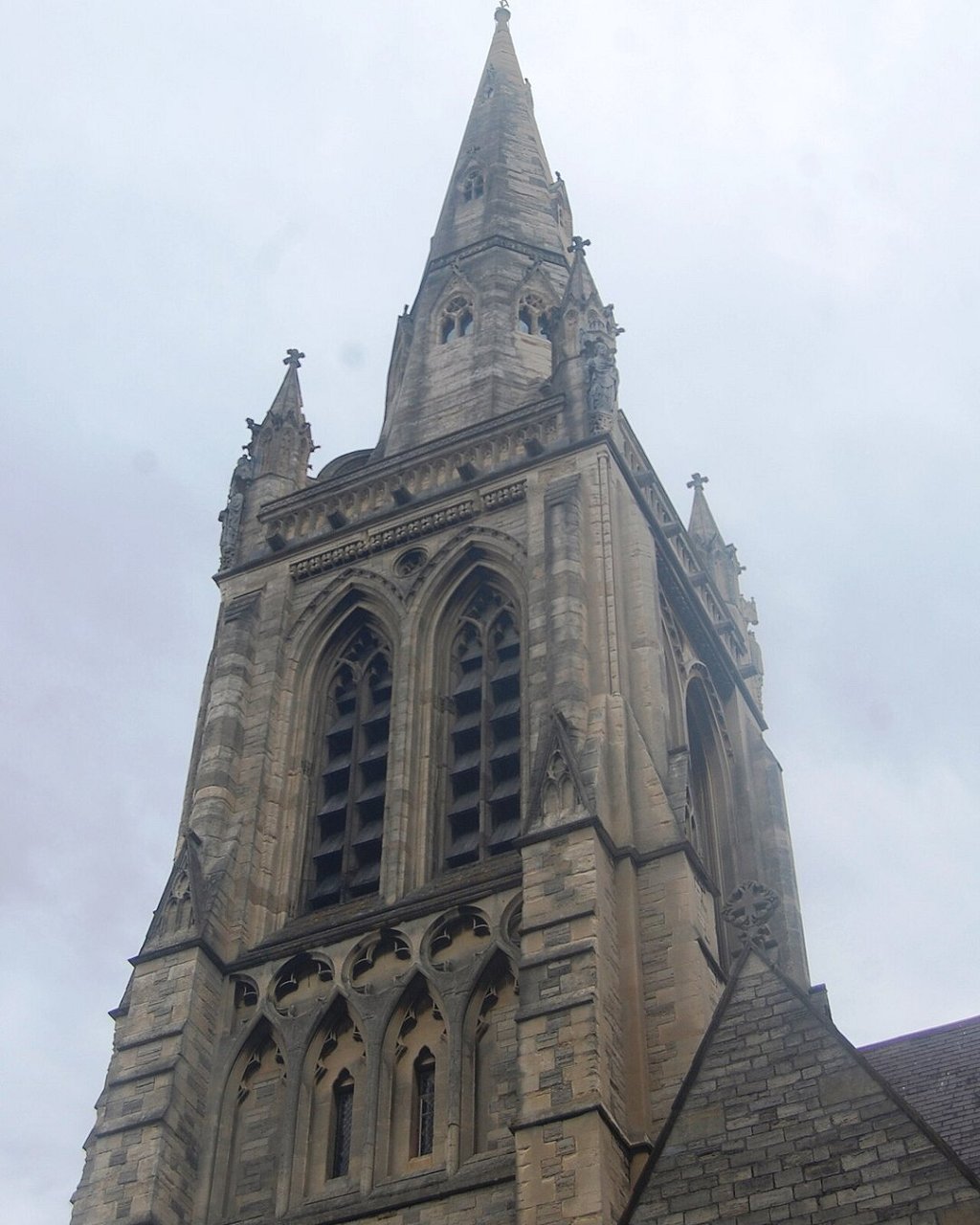
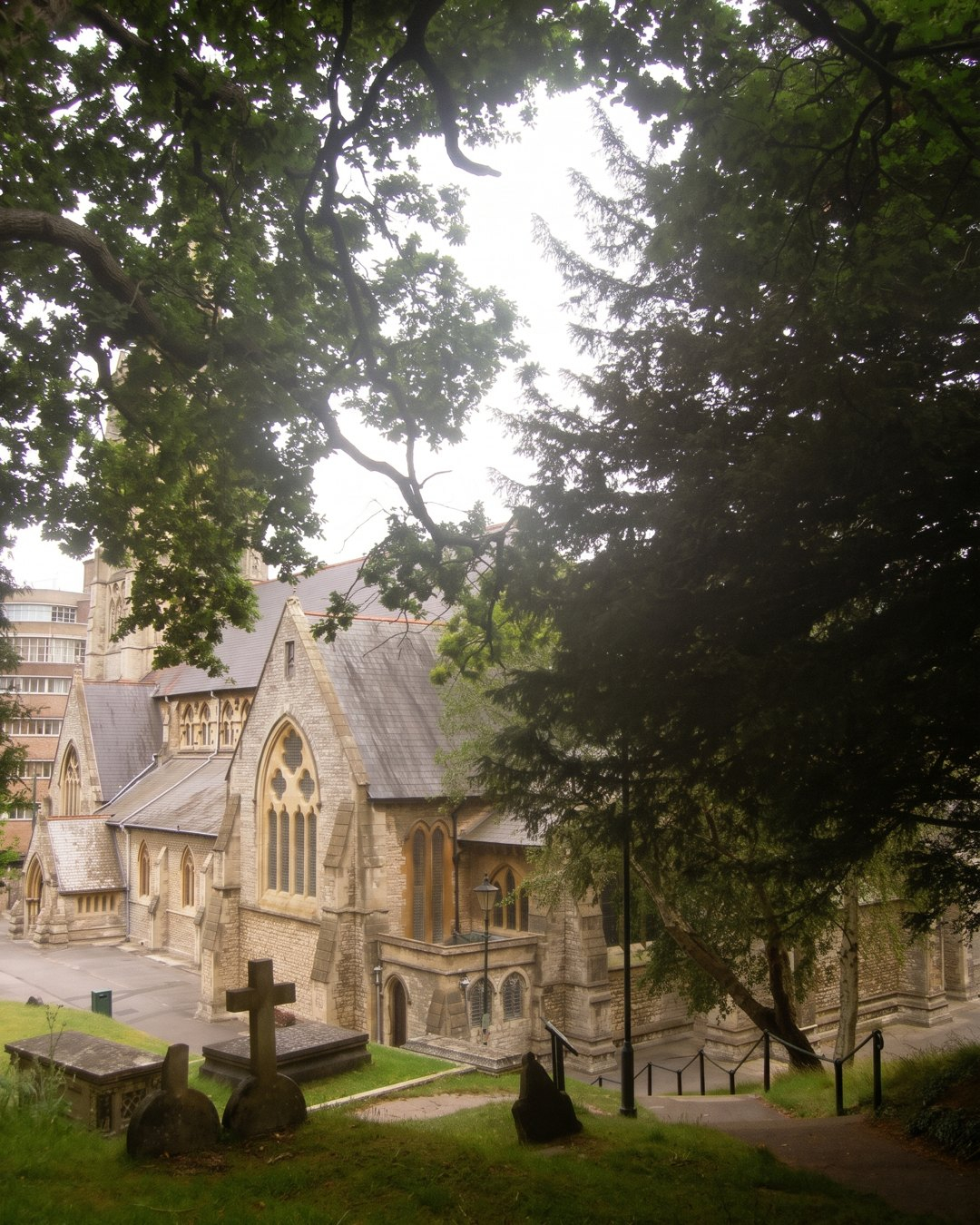
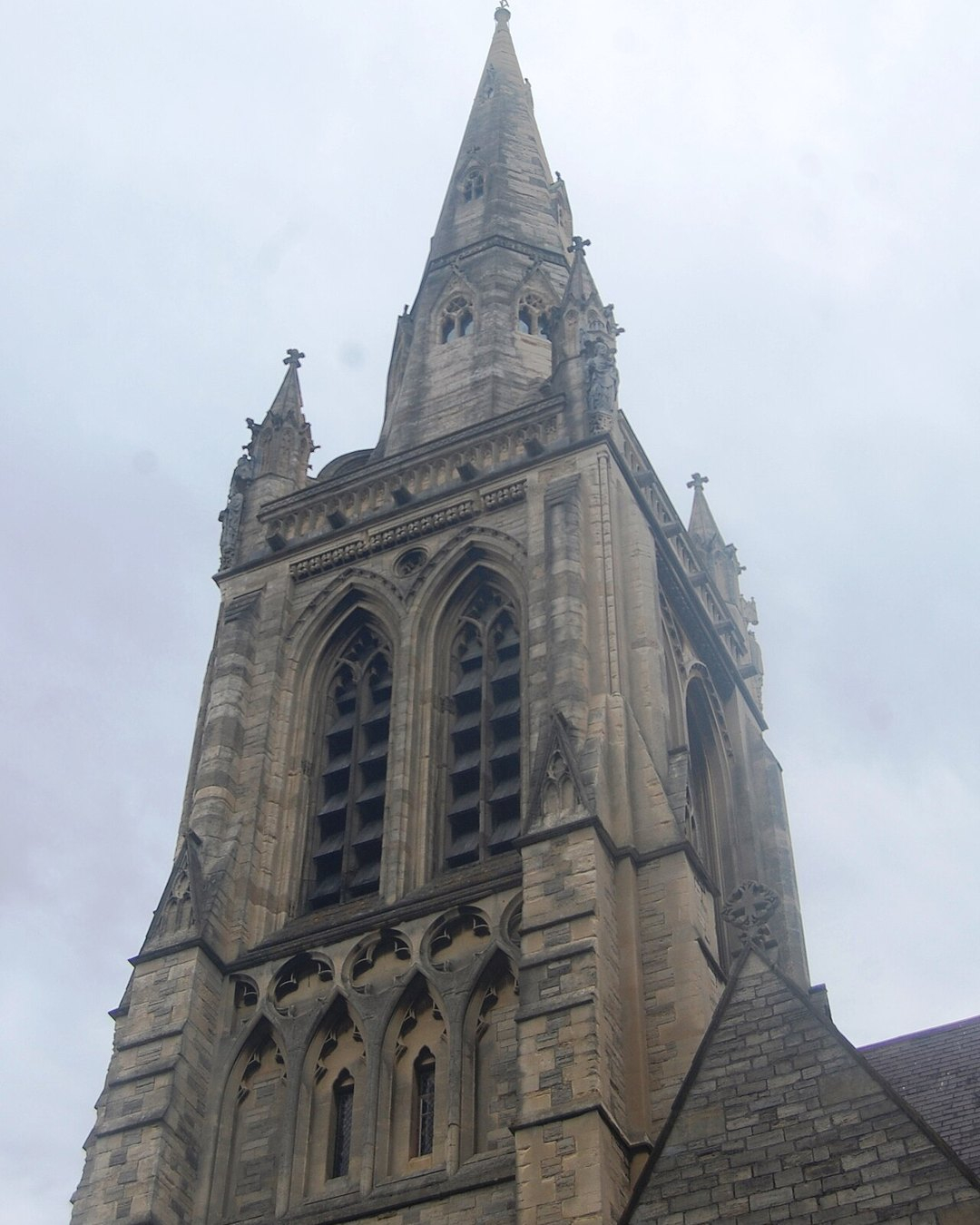
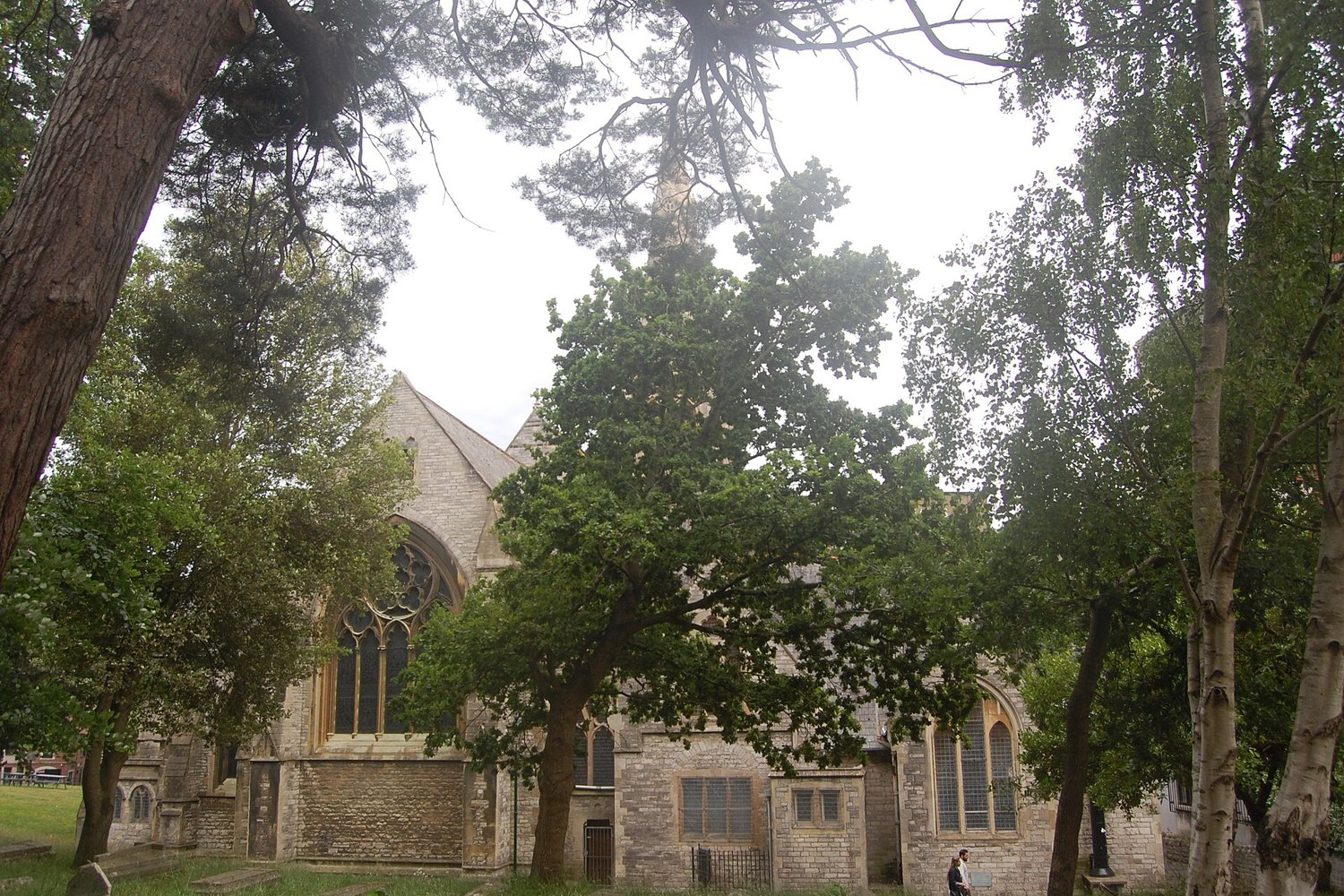
The church is on Hinton Road, BH1 2EE, in the town centre. It is Grade I listed, designed mostly by George Edmund Street and built in stages between 1855 and 1879, with a 202ft spire that is a landmark across the centre. The parish says the doors are open every day, usually between 10am and 4pm, for quiet prayer. Opening can change around services and events, so check the church's website before a special trip.
The Shelley tomb is on the terraces below the church. Lewis Tregonwell, usually called the founder of Bournemouth, has a tomb on the next landing of the same steps, erected in 1846. The churchyard covers about three acres and was badly overgrown until a clearance in 2020, funded by the Dorset Wildlife Trust and BCP Council. The church says the Shelley grave gets many visitors and has planned paving, planting and seating for it. Our guide to Bournemouth's cultural landmarks puts it on a town-centre walk with the Russell-Cotes and the Pavilion, and our best places to visit in Bournemouth has more for the rest of the day.
It is a working church and a burial ground, so keep voices down and stay on the paths. If you are planning a November visit, our November in Bournemouth guide has more to fit around it.
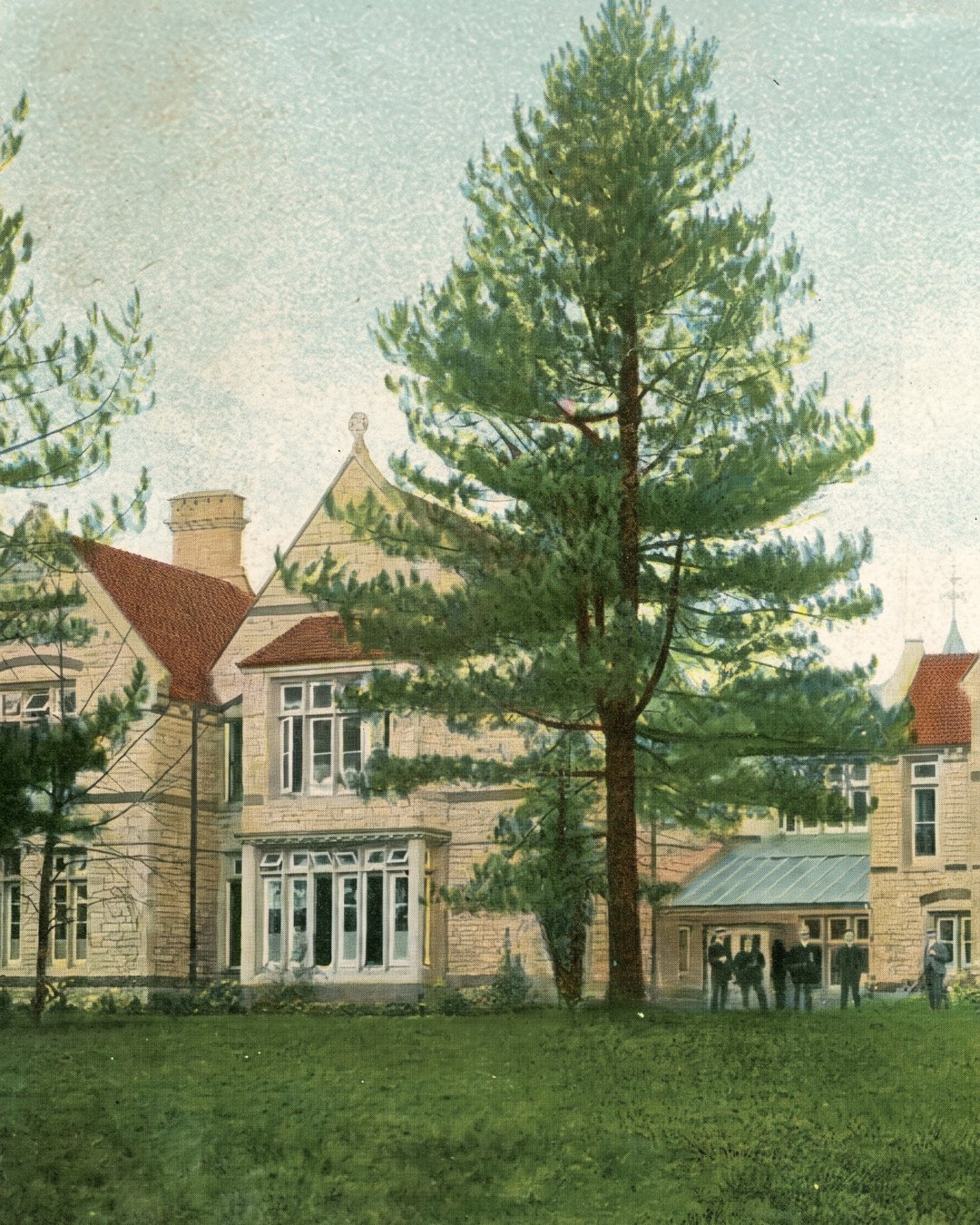
On the other side of town, on Alumhurst Road in Westbourne, stands a building with a very different history. Sidney Herbert, Secretary of State for War during the Crimean War, died on 2 August 1861. A memorial committee set up that September chose a statue in Salisbury and a convalescent home near Bournemouth, modelled on an earlier home at Charmouth. Land was bought at 49 Alumhurst Road in 1865 and the first stone was laid on 16 September that year.
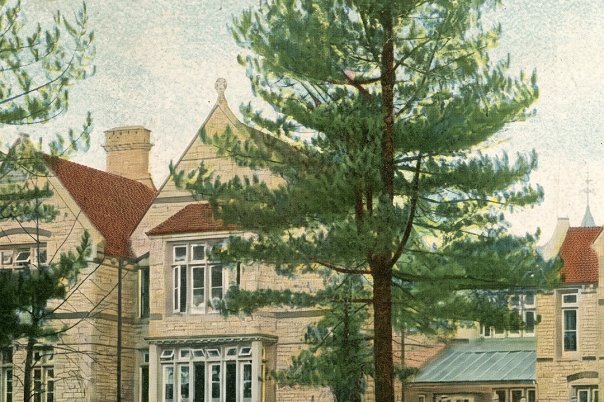
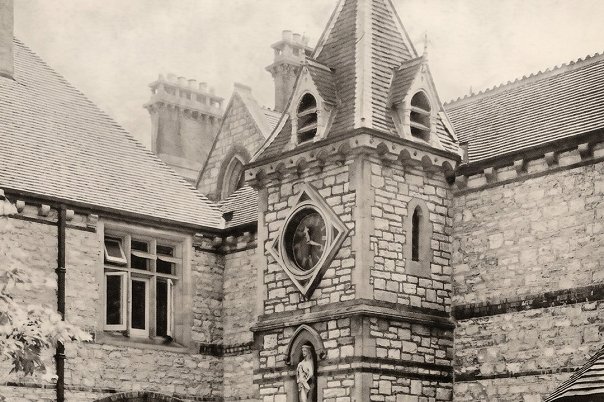
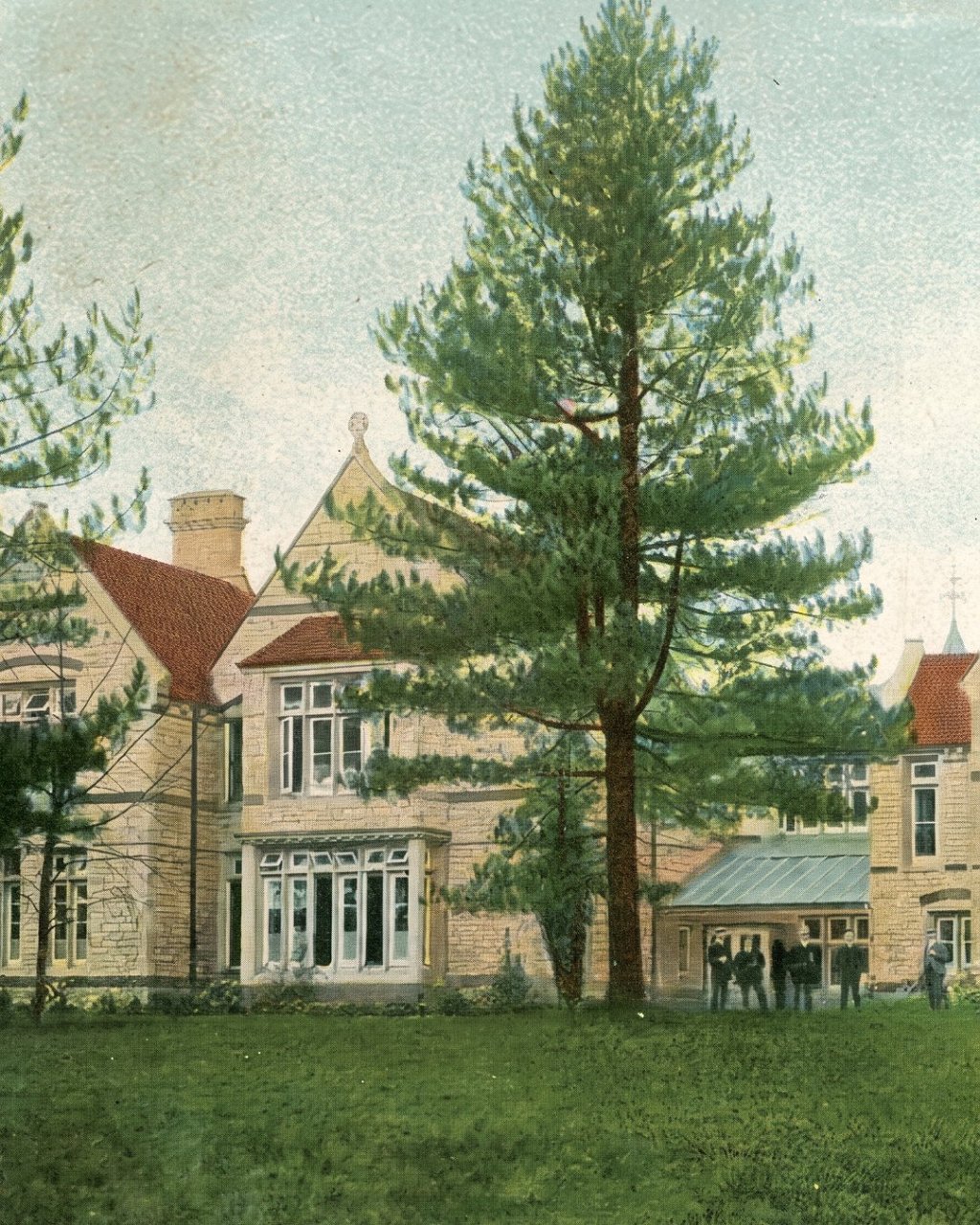
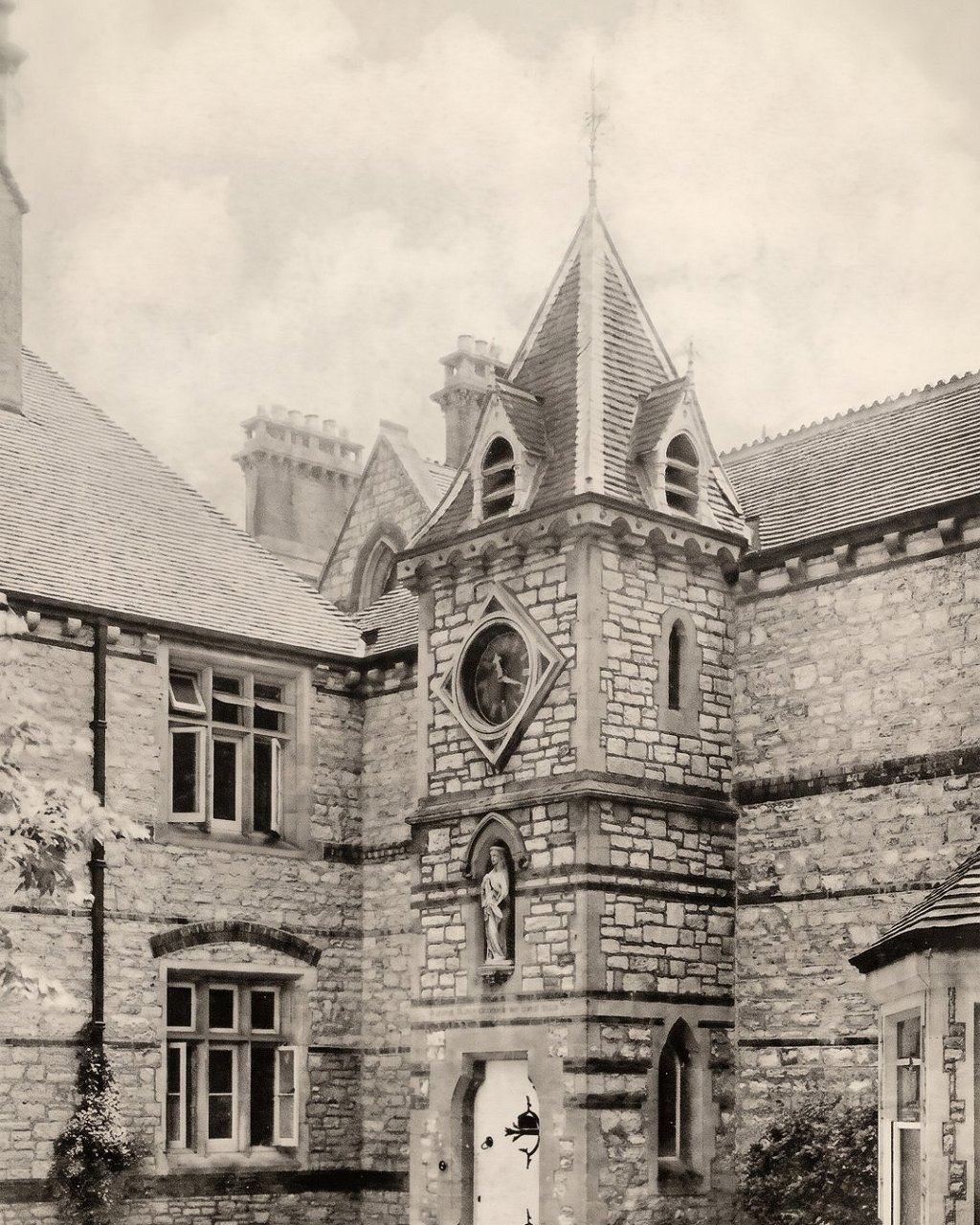
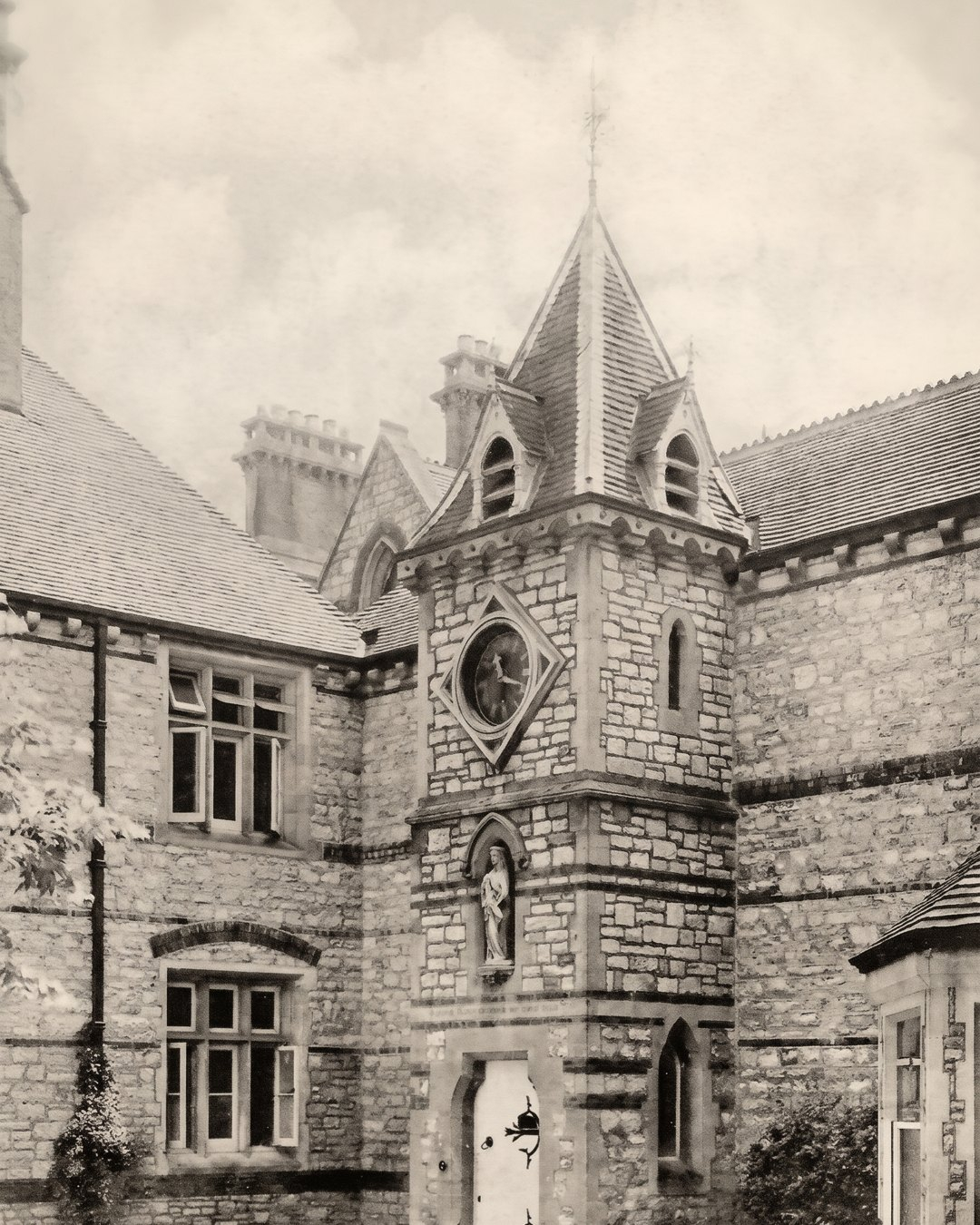
The Herbert Memorial Convalescent Home was built in 1865 to 1867 to designs by T H Wyatt, later President of the RIBA. Historic England lists it at Grade II and describes an asymmetrical Gothic building in Purbeck stone with red brick bands. A porch tower carries a clock and a statue, and Lady Herbert paid for the clock and tower. A white timber summerhouse of about 1910 stands in the grounds. The home took only patients already on the mend, and its rules banned alcohol and gambling and set visiting at 2pm to 4pm. Total cost, with land and furniture, was £5,838 17s 11d.
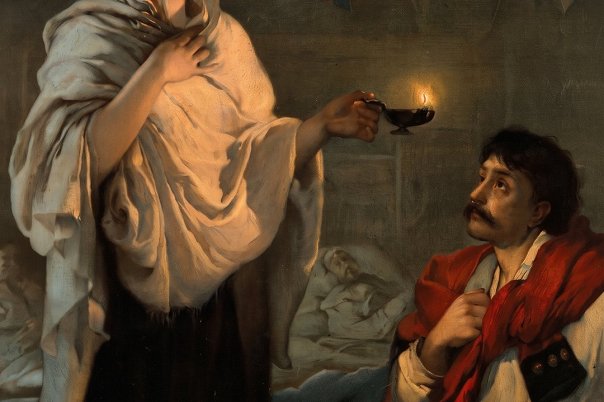
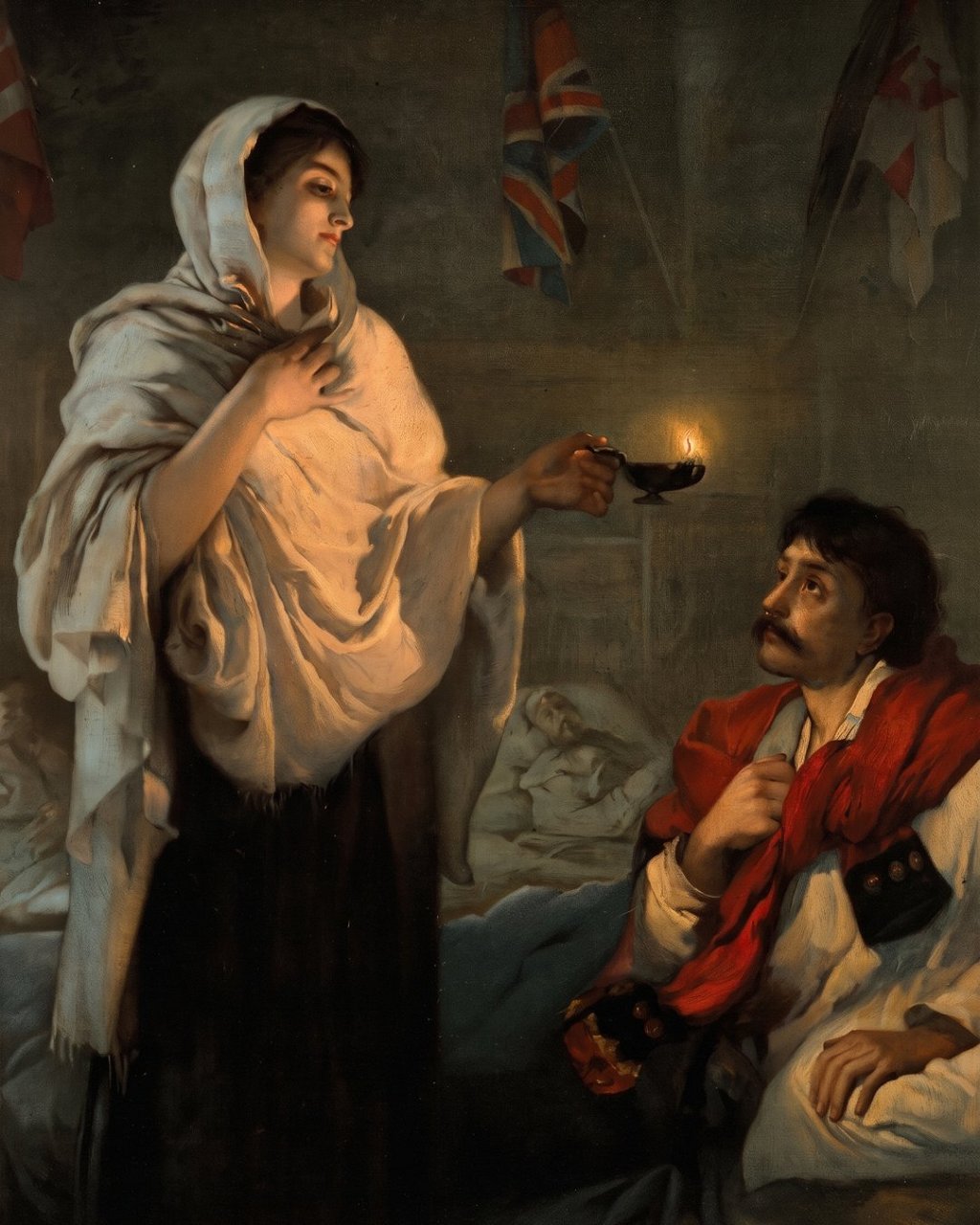
Herbert was a close friend and ally of Florence Nightingale, whom he helped into her Crimean War hospital role. That is why the home sits in her story. The firmer claim is a narrower one. A 1922 history of Salisbury Infirmary, quoted by the Salisbury healthcare history site, credits the plan of detached wings joined by corridors to Miss Nightingale. Historic England's list entry and the national hospitals survey do not mention her, so say "is credited" rather than "designed it".
After the NHS began in 1948 the building became the Herbert Sanatorium. Today it is called Nightingale House and is part of Dorset HealthCare's mental health inpatient services in Westbourne. It is a working NHS site, so the building is best looked at from the road with respect for the people being cared for. If you are in this part of Westbourne, our Westbourne shopping guide and Alum Chine Beach guide cover the rest of the day.
Put the two together and you get a quiet afternoon of Bournemouth history: a literary grave in the town centre, then a Victorian charity building with a famous name attached. Start at St Peter's, take your time on the terraces, then head west to Westbourne for coffee and a look along Alumhurst Road.
In the family tomb in St Peter's churchyard, on Hinton Road in the town centre (BH1 2EE). The tomb is a white marble altar tomb on the terrace beside the churchyard steps, below the church.
Her parents, Mary Wollstonecraft and William Godwin, were moved there from St Pancras in London. Her son Sir Percy Florence Shelley and his wife Jane are named on the stone. Percy Bysshe Shelley's heart is said to rest there too.
Historic England records the tomb as built to contain the poet's heart, and the church says it is there, but it remains a long-standing story rather than something we can confirm. It is usually said to have been buried with Percy Florence in 1889.
The building on Alumhurst Road is now Nightingale House, a working NHS mental health unit, so it is not a visitor attraction. You can see it from the road. It is Grade II listed.
The architect was T H Wyatt. A 1922 history of Salisbury Infirmary credits the layout to Miss Nightingale, but Historic England's list entry does not mention her, so it is best described as a credited influence.