Discover five of the best free days out around Bournemouth, from wildlife walks at Hengistbury Head and the Stour Valley to tropical gardens, sandy beaches and one of Dorset’s most remarkable heathlands. These budget-friendly ideas offer plenty to see without paying an entrance fee, whether you are planning a family outing, a peaceful walk or a day spent exploring somewhere new.
20th July 2026
Free Things to Do in Bournemouth | Days Out | Dorset Lifestyle
A good day out does not have to begin with an expensive ticket. Around Bournemouth, some of the most memorable places are completely free to explore: clifftop paths with views towards the Isle of Wight, wooded gardens filled with unusual trees and wild heathland where all six of Britain’s native reptile species have been recorded.
You may still need to budget for parking, refreshments or an optional ride along the coast, but the experiences themselves cost nothing. Pack a picnic, choose a dry day and rediscover just how much there is to see close to home.
There are few free days out around Bournemouth that offer as much variety as Hengistbury Head. In the space of a single walk, we can pass heathland, woodland, reed beds, harbour views, dramatic coastline and a long sweep of sandy beach.
Begin at the Hengistbury Head Visitor Centre, where displays introduce the headland’s wildlife, geology and thousands of years of human history. The reserve has been occupied since prehistoric times, and its elevated position made it an important lookout and trading place long before Bournemouth existed as a town.
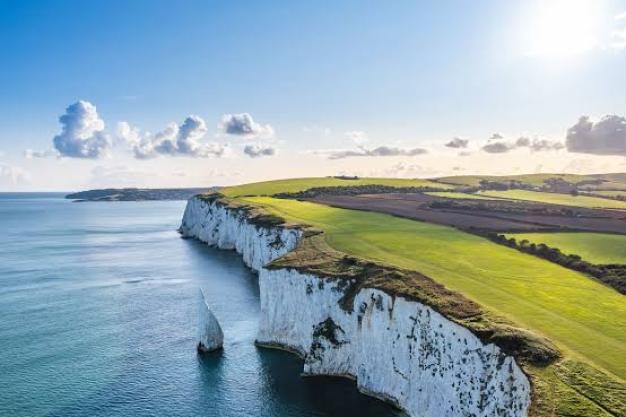
From here, follow the paths towards Warren Hill. The climb is manageable for most walkers and rewards us with one of the best panoramas on this part of the coast. On a clear day, the view stretches across Christchurch Harbour towards the Purbeck Hills, the Isle of Wight and the distinctive white cliffs of The Needles.
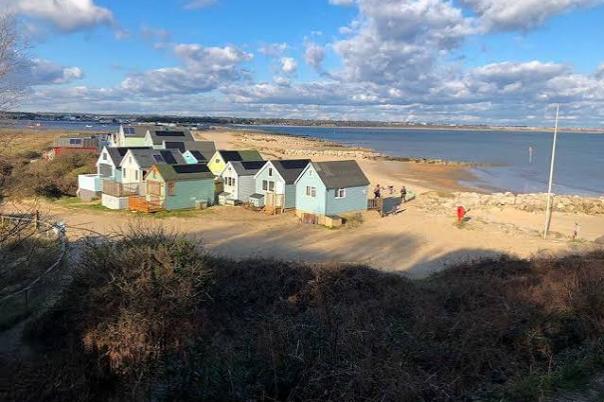
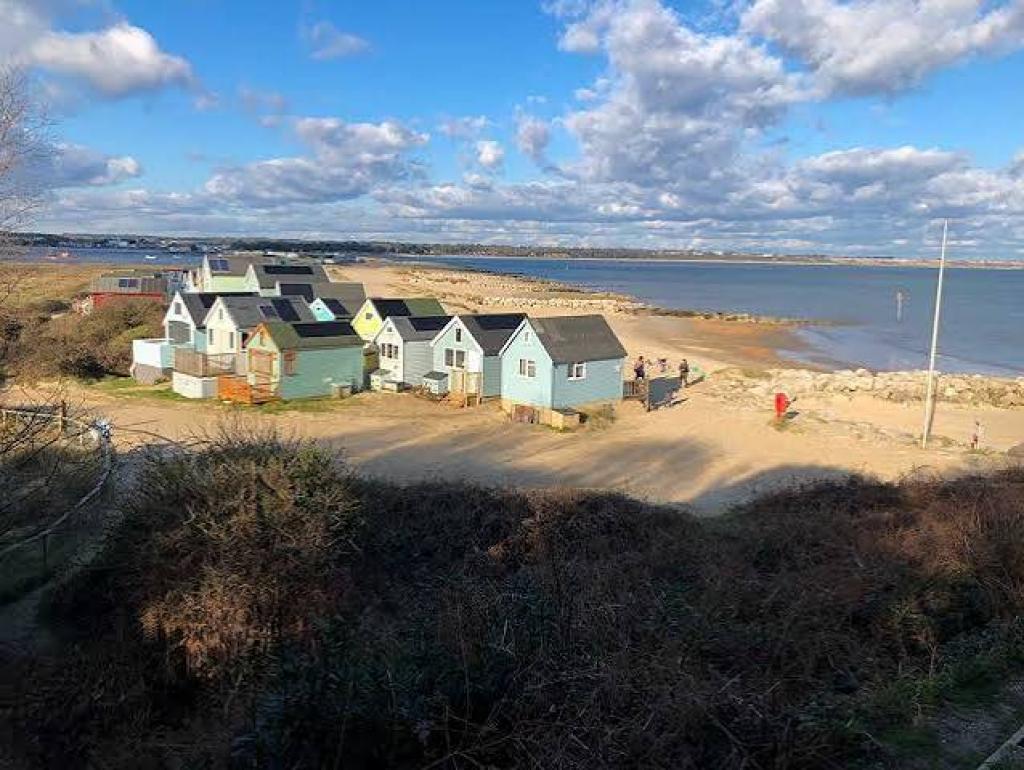
Continue down towards Mudeford Sandbank, where colourful beach huts face either the harbour or the sea. There are no roads connecting the sandbank to Hengistbury Head, which gives the place a pleasantly removed-from-everything atmosphere.
Allow time to wander along the beach, watch boats pass through the harbour entrance and enjoy a picnic with the water almost at your feet. We can return by the same route or pay for the seasonal land train if tired legs need a little help.
Best for: Coastal scenery, wildlife and a full day of exploring
Optional costs: Parking, refreshments and the land train
Most of us know Bournemouth’s Lower Gardens, but fewer people continue beyond the town centre to explore the quieter Central and Upper Gardens. Together, they form a long green corridor following the Bourne Stream away from the seafront.
Beginning near Bournemouth Pier makes this feel like a proper journey. Walk through the lively Lower Gardens, past flowerbeds and the bandstand, before continuing beneath the town’s roads into the more peaceful Central Gardens.
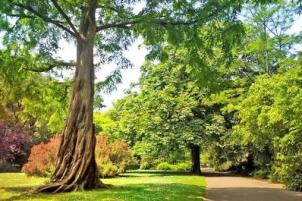
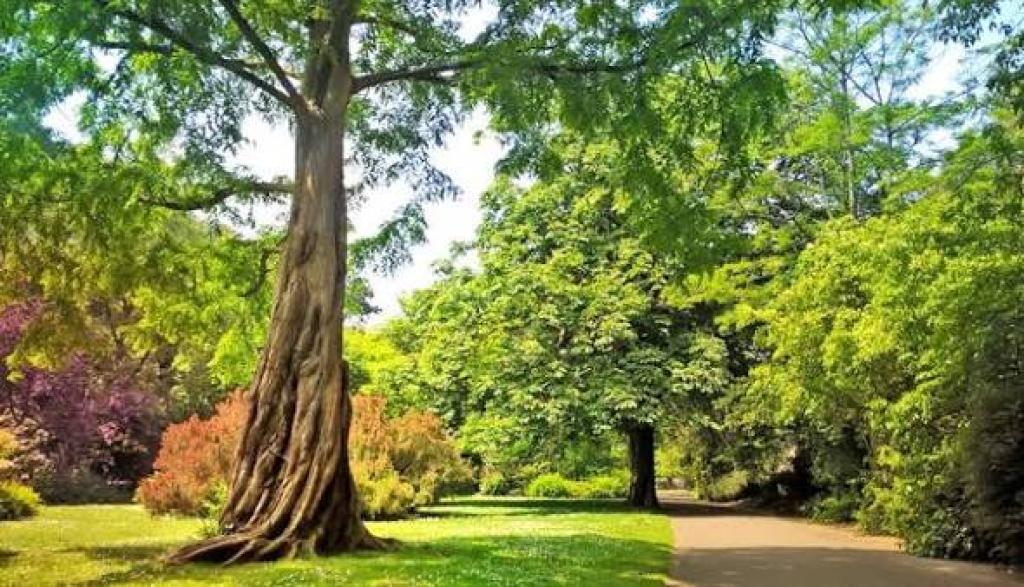
The surroundings gradually become greener and less formal. By the time we reach the Upper Gardens, it can be difficult to believe we are still close to the centre of Bournemouth. Winding paths follow the stream through mature woodland, ornamental planting and small bridges.
The gardens contain trees and plants from Europe, Asia and North America, reflecting the interests of the Victorian plant collectors who helped shape them. Look out for the enormous Giant Redwood, thought to be one of the largest examples in Britain, as well as the old water tower constructed in 1885.
The official tree trail takes around two hours, but the outing can easily be extended by continuing to Coy Pond. Bring a flask or picnic and take the walk slowly; part of the pleasure lies in noticing the changing trees, reflections in the stream and fragments of Bournemouth history hiding among the greenery.
Best for: An easy town-centre escape and lovers of gardens
Optional costs: Town-centre parking, food and drinks
For a quieter day beside the water, head to the Stour Valley Nature Reserve on Bournemouth’s northern edge. This mixture of riverbank, wet meadow, woodland and open countryside feels surprisingly rural considering how close it is to the town.
A useful starting point is Kingfisher Barn Visitor Centre on Granby Road. The centre is free to visit and has information about local wildlife, walking routes and the changing landscape of the River Stour. Its car park is also free, although donations are welcomed.
From the barn, follow the riverside paths through the water meadows. The Stour supports a wide variety of wildlife, including waterfowl and dragonflies. Patient walkers may even catch the electric-blue flash of a kingfisher. Otters also use the river, although spotting one requires considerably more luck.
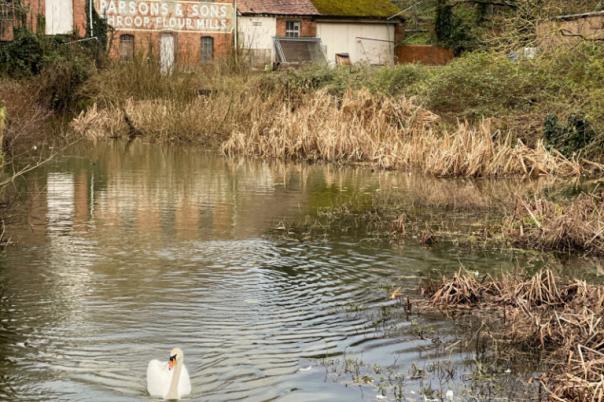
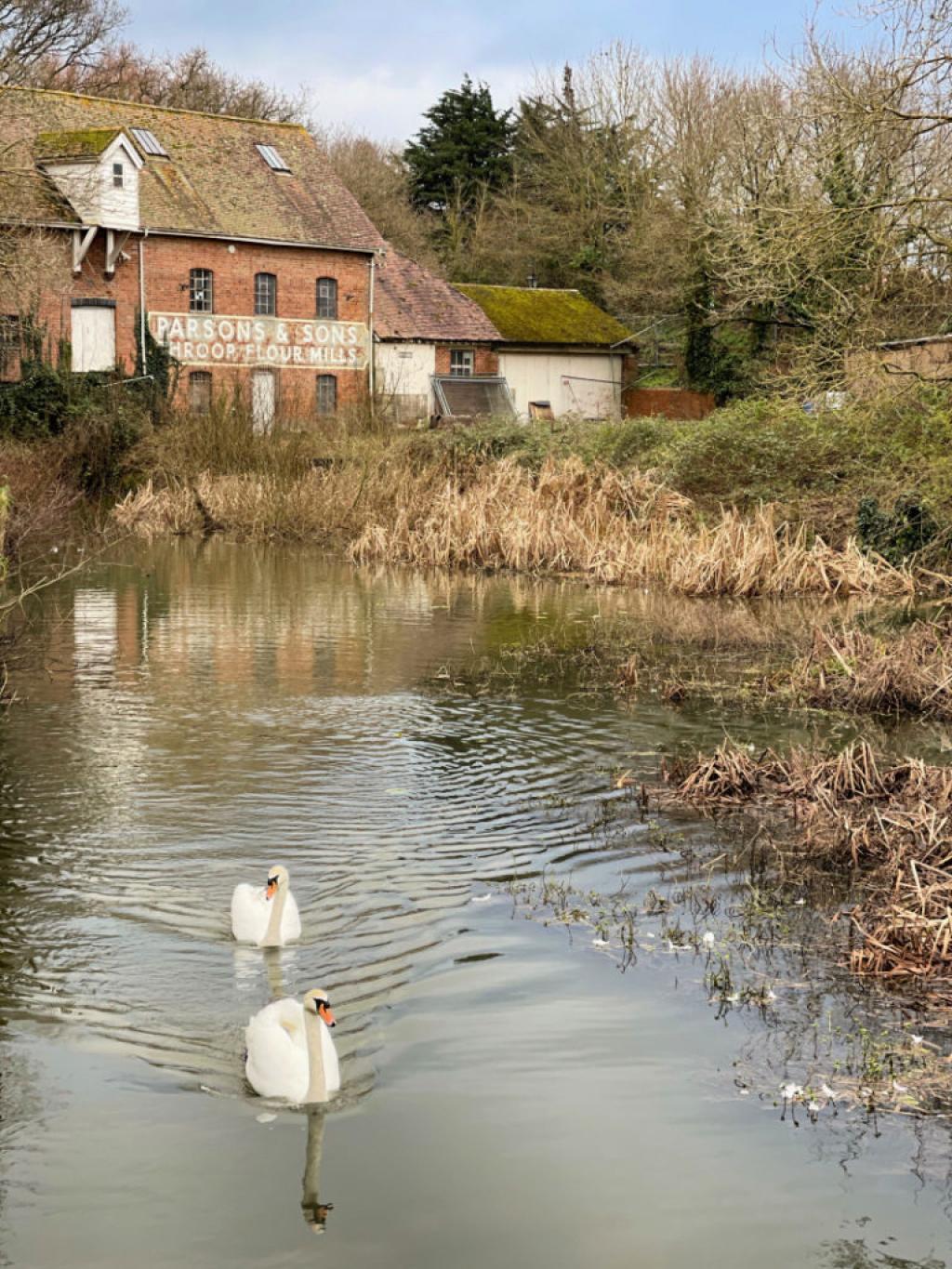
Continue towards the historic Throop Mill, where the old mill buildings, rushing water and riverside setting create one of the area’s most atmospheric scenes. Although the mill itself is not generally open to visitors, it remains an evocative reminder of the industries that once depended upon the Stour.
Some of the reserve’s gravel paths are suitable for wheelchairs and pushchairs, although conditions can become muddy elsewhere after heavy rain. The flat landscape makes this an excellent choice for a gentle family walk rather than a strenuous hike.
Best for: Birdwatching, riverside walks and peaceful picnics
Optional costs: None, although donations to Kingfisher Barn are welcomed
Alum Chine offers two free days out in one: a walk through one of Bournemouth’s most attractive wooded valleys followed by an afternoon beside the sea.
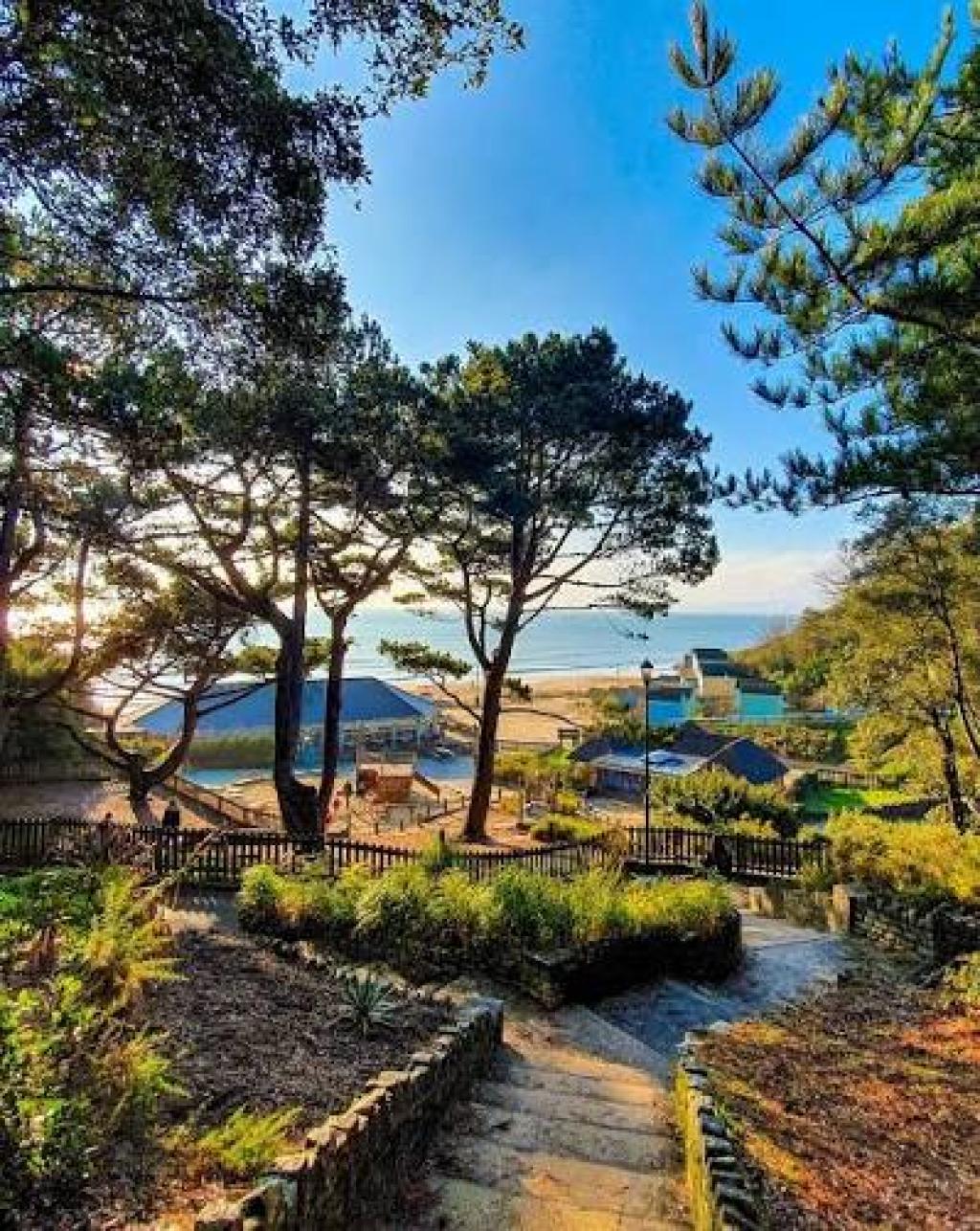
The chine is the largest of Bournemouth’s coastal ravines. Its tropical gardens were originally laid out during the 1920s, taking advantage of the sheltered slopes and unusually mild seaside climate. They were extensively replanted in the 1990s and remain filled with palms and other exotic-looking plants.
Follow the pathways downhill beneath mature trees, stopping at the viewing areas to appreciate how suddenly the coast appears between the greenery. The sound of traffic gradually gives way to birdsong and, eventually, the sea.
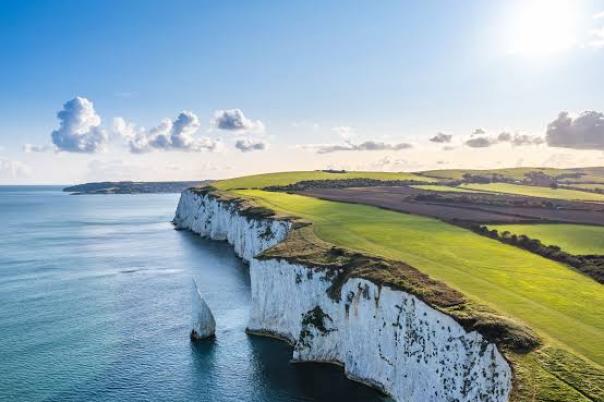
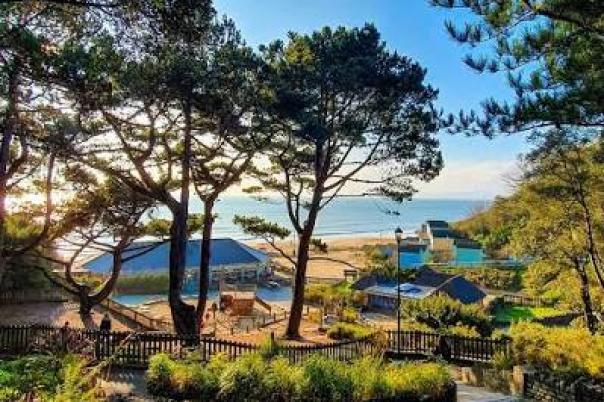
At the bottom of the chine, Alum Chine Beach has golden sand, views towards Old Harry Rocks and a pirate-themed play area that makes it particularly popular with families. There is plenty of space for a picnic, sandcastle building or a paddle when conditions allow.
Energetic visitors can extend the day by walking along the promenade towards Bournemouth in one direction or Branksome Chine in the other. If we bring our own food, buckets and spades, the entire outing can remain completely free.
Best for: Families, picnics and combining gardens with the beach
Optional costs: Parking, cafés and beach equipment
Turbary Common is one of Bournemouth’s most fascinating natural spaces, yet many people drive past without realising what is hidden behind the surrounding streets.
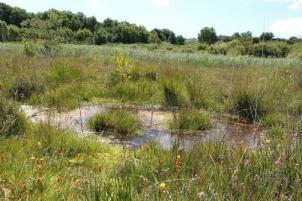
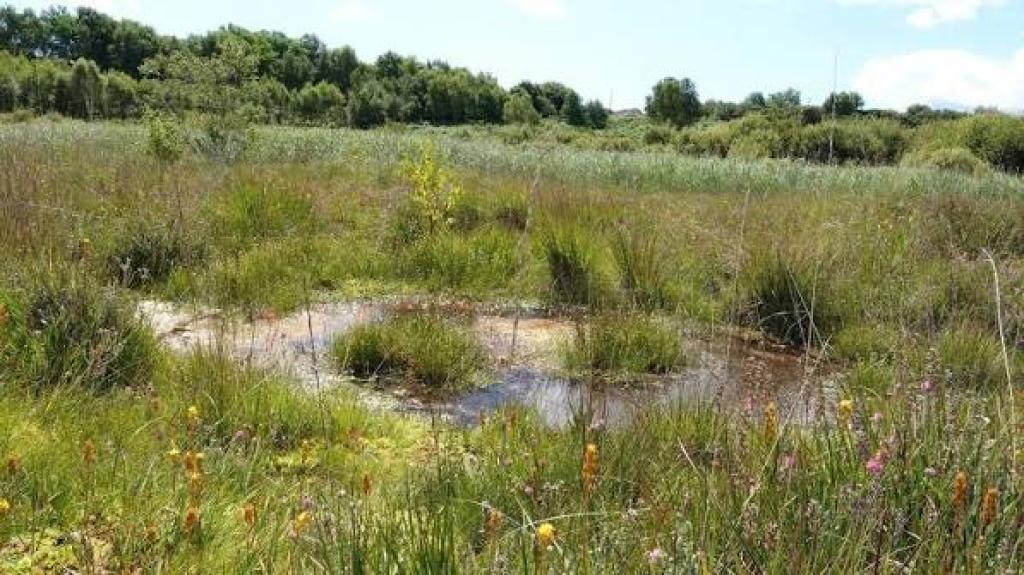
The common contains a mixture of dry heath, wet heath, bog, scrub and woodland. This variety of habitats supports an extraordinary range of wildlife, including Dartford warblers, unusual insects and all six of Britain’s native reptile species.
That does not mean we are guaranteed to see an adder or a sand lizard, the wildlife here is understandably good at hiding, but knowing what lives among the heather makes even an ordinary walk feel like a miniature safari.
During the warmer months, look closely for dragonflies above the wetter areas and tiny carnivorous sundew plants growing in the bog. Bog asphodel adds flashes of yellow in summer, while the heath takes on rich purple tones when the heather flowers.
There are several paths around the common, allowing us to choose anything from a short wander to a longer exploration. Wear sturdy footwear after wet weather and remain on established paths, as the apparently empty ground can contain rare and fragile plants. Dogs should also be kept under close control to avoid disturbing nesting birds and other wildlife.
It is a wilder and less polished day out than Bournemouth’s parks or beaches, and that is precisely its charm.
Best for: Nature lovers, older children and a quiet walk away from crowds
Optional costs: None


 Spanish
 Chinese (simplified)
 Dutch
Dutch French
 German
 Italian
 Norwegian
 Polish
 Romanian
 Russian