Discover five fascinating places beyond Bournemouth Beach, from wildlife-rich heathland and beautiful Victorian gardens to Mary Shelley’s grave, an unusual museum and peaceful walks beside the River Stour. Whether you enjoy local history, nature or discovering overlooked attractions, these places reveal a different side of Bournemouth - and prove there is much more to the town than its famous seafront.
22nd July 2026
Things to Do in Bournemouth | Hidden Attractions and Local Places | Dorset Lifestyle
Bournemouth’s seven miles of sand may receive most of the attention, but some of the town’s most interesting places are found after we turn our backs on the sea.
Beyond the clifftops lies a Bournemouth of ancient heathland, wooded gardens, literary connections and wildlife-rich riverbanks. There is even a wonderfully eccentric museum that many residents have never visited.
Here are five places worth leaving the seafront to discover.
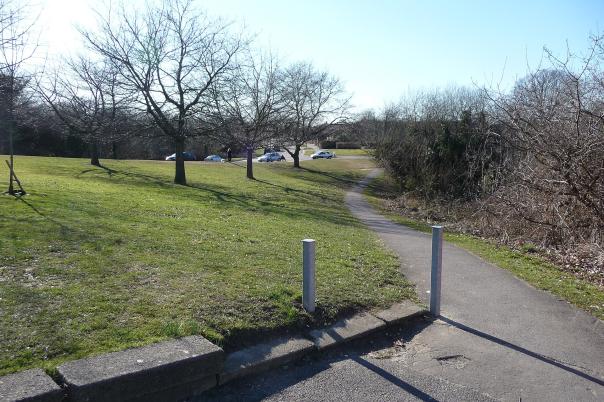
Turbary Common is one of Bournemouth’s most remarkable natural spaces, yet many people pass it without realising what survives behind the surrounding residential streets.
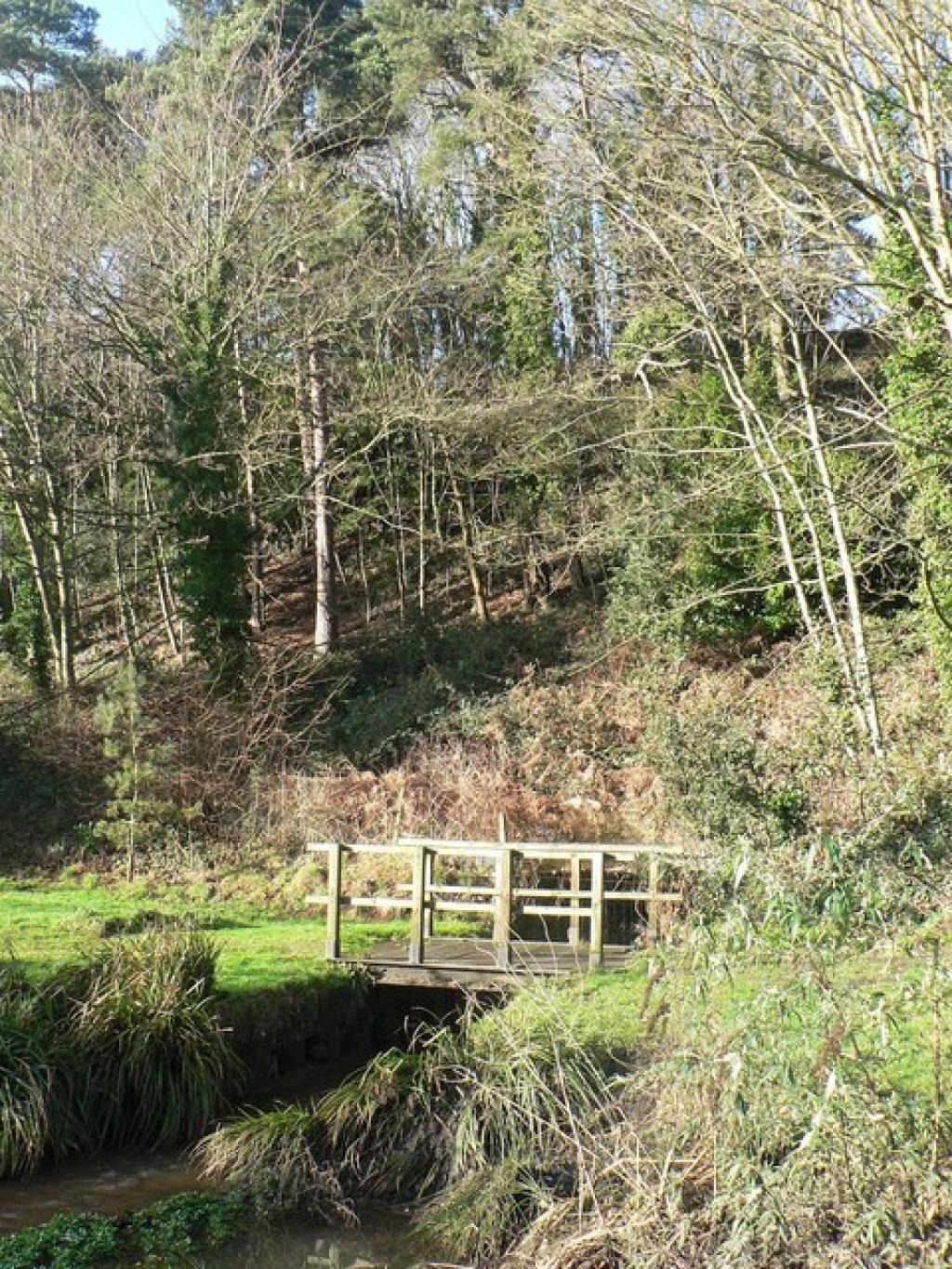
The common contains dry and wet heath, bog, scrub and woodland. This mixture of habitats supports rare plants, insects and birds, including the elusive Dartford warbler. All six of Britain’s native reptile species have been recorded here, although they are understandably good at remaining hidden.
During the warmer months, look for dragonflies around the wetter ground and tiny carnivorous sundew plants growing in the bog. Bog asphodel produces yellow flowers during summer, while expanses of purple heather transform the landscape later in the season.
Several paths cross the common, offering anything from a short wander to a longer wildlife walk. Conditions can become muddy, so sturdy footwear is useful. Remain on established paths to avoid damaging fragile plants, and keep dogs under close control, particularly during the bird-nesting season.
It feels considerably wilder than Bournemouth’s formal parks and provides a glimpse of the heathland that covered much of the area before the town was built.
Best for: Wildlife, photography and peaceful walks
Cost: Free
Most visitors encounter the lively Lower Gardens between the town centre and beach, but comparatively few continue upstream into the Central and Upper Gardens.
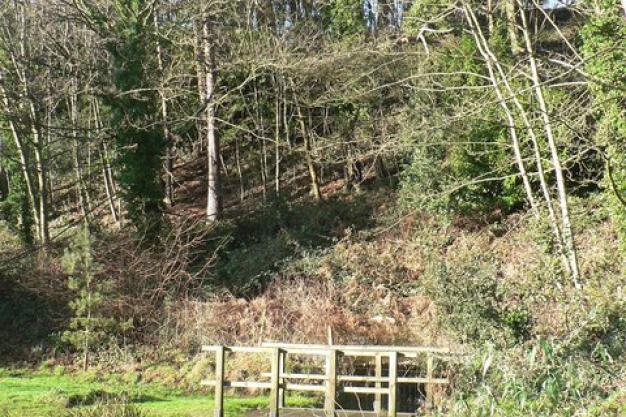
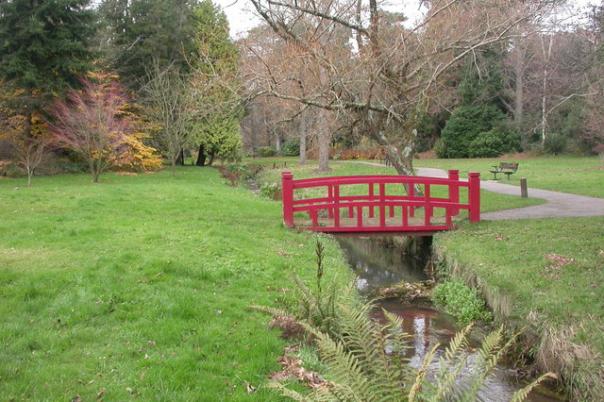
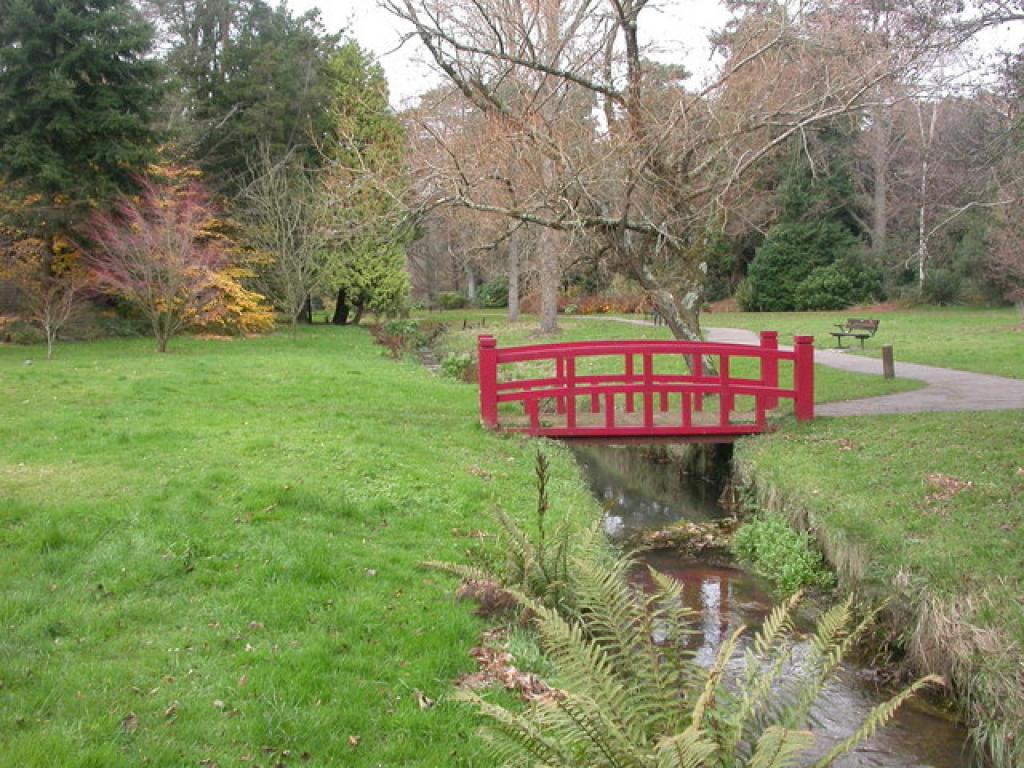
The atmosphere changes as we walk away from the centre. Formal planting gradually gives way to mature woodland, winding paths and small red bridges crossing the Bourne Stream.
The Upper Gardens contain plants and trees originating from Europe, Asia and North America. Their most impressive resident is a Giant Redwood believed by BCP Council to be the largest in the country. There is also an old garden folly that now provides a home for bats.
Continue along the stream and the gardens eventually lead to ornamental rockeries and Coy Pond, creating a surprisingly green journey through urban Bournemouth.
The official Tree Trail takes around two hours and helps identify notable specimens along the route. Information boards also explain elements of the gardens’ history, planting and wildlife.
The main path is suitable for a gentle walk, although sections beyond Coy Pond are unpaved and can become boggy. Bring a flask or picnic and allow time to stop beside the stream; this is a route to enjoy slowly rather than hurry through.
Best for: Peaceful walks, unusual trees and picnics
Starting point: Bournemouth Lower Gardens
Only a short distance from Bournemouth’s busiest shopping streets lies one of the town’s most remarkable literary connections.
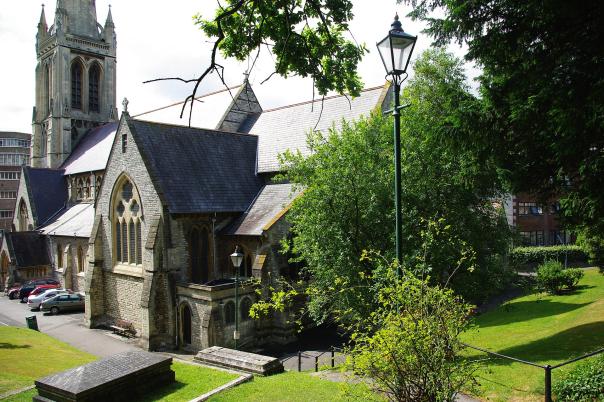
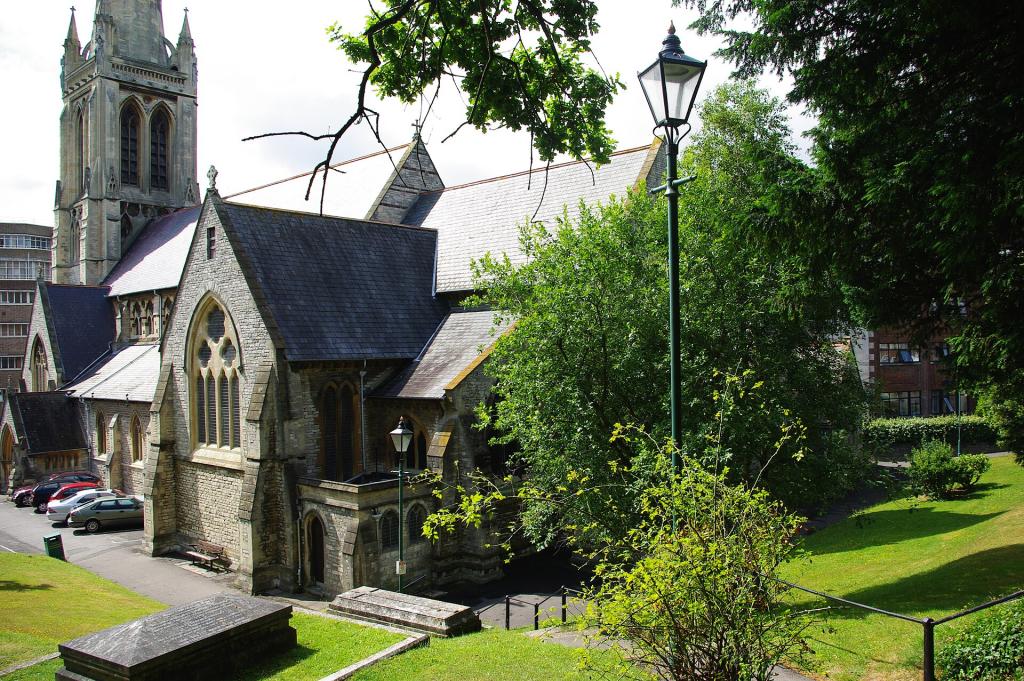
Mary Shelley, author of Frankenstein, is buried in the churchyard of St Peter’s. Find the Shelley family tomb by climbing the steps behind the church, where it stands among trees on the sloping ground.
The memorial also records Mary’s parents: pioneering women’s-rights writer Mary Wollstonecraft and political philosopher William Godwin. Their remains were transferred from London to Bournemouth by Mary’s son, Percy Florence Shelley.
The Shelley family became connected with Bournemouth through Boscombe Manor, where Percy Florence and his wife Jane settled as the growing Victorian resort developed around them.
St Peter’s Church is worth exploring in its own right. The Grade I-listed Gothic Revival building was developed substantially during the 19th century, and its tall spire remains one of Bournemouth’s most recognisable landmarks.
The grave also appears on the Bournemouth Cultural Trail, a 3km route connecting historical, architectural and artistic sites around the town centre.
It is an atmospheric place to visit, particularly for anyone interested in Gothic literature, social history or the unexpectedly famous figures connected with Bournemouth.
Best for: Literature, history and an atmospheric town-centre detour
Cost: The churchyard is free to visit
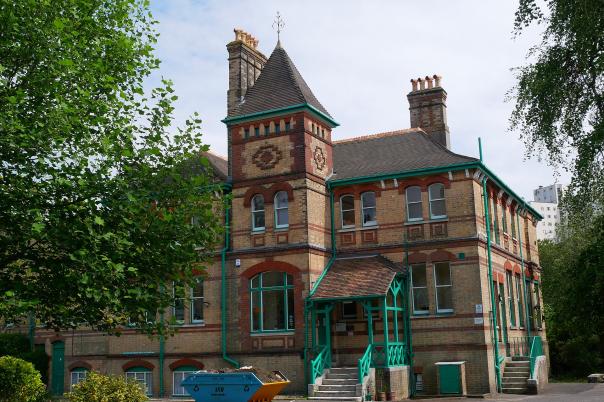
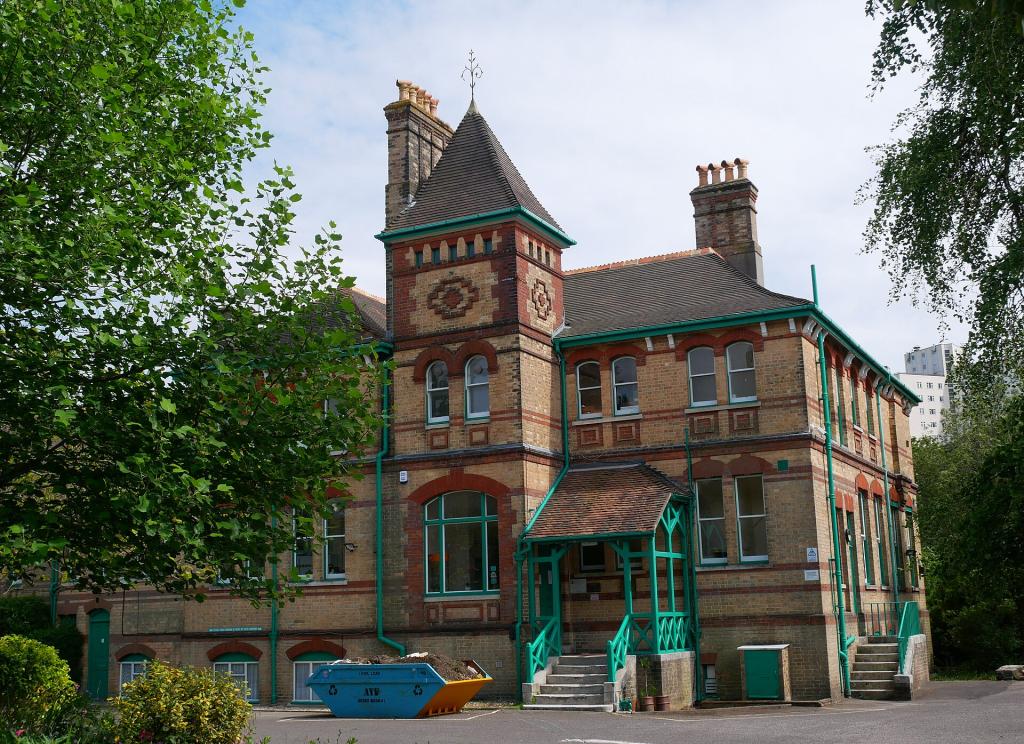
The Bournemouth Natural Science Society occupies an imposing Victorian building at 39 Christchurch Road, yet many people pass without realising that a museum is hidden inside.
Formed in 1903, the society encourages interest in science, natural history and human history. Its collections cover subjects including archaeology, astronomy, insects, geology, Ancient Egypt, minerals, fossils, birds and animals.
The Egyptian collection is housed in the Grenfell Room, named after Lord Grenfell, a former society president who conducted excavations in Egypt during the late 19th century. Elsewhere, cabinets filled with specimens give the building the atmosphere of an old-fashioned collector’s house.
That is a large part of its appeal. This is not a glossy attraction dominated by interactive screens. It is a place of carefully labelled objects, scientific curiosities and knowledgeable volunteers who are often happy to explain what we are looking at.
The museum is generally open on Tuesdays between 10am and 4pm, with last entry at 3.30pm. Additional open days, lectures and exhibitions are organised throughout the year, particularly during school holidays.
Check the latest programme before travelling, as the museum is run with considerable support from volunteers.
Best for: Curious families, rainy days and unusual collections
Cost: Free entry, with donations welcomed
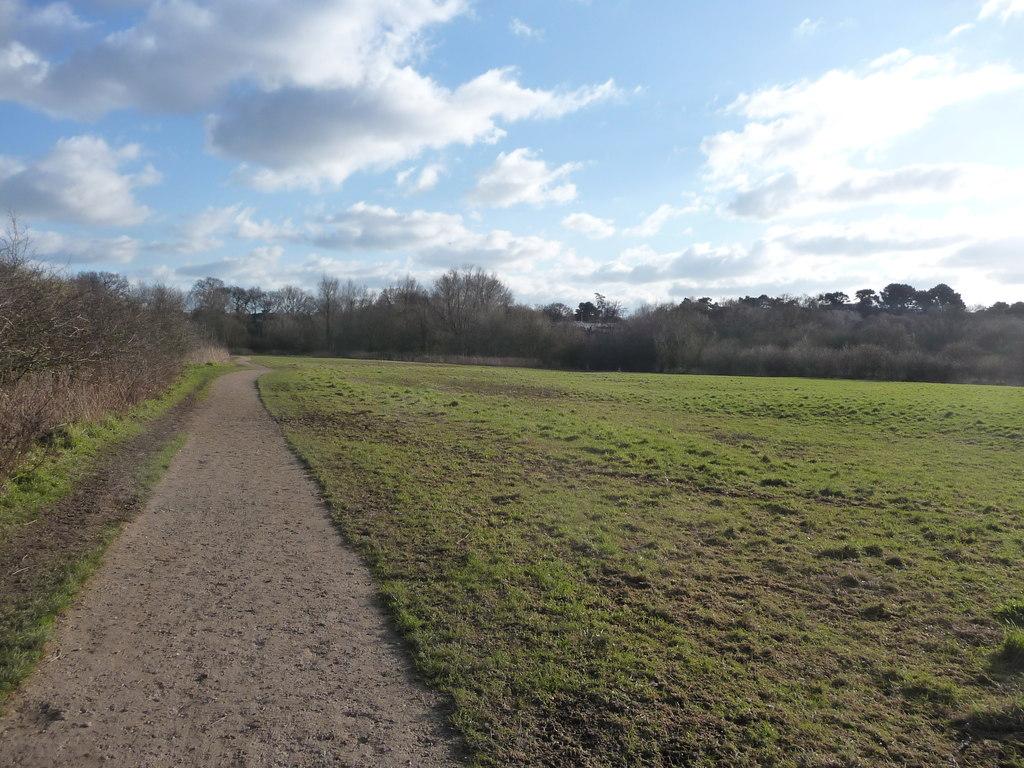
On Bournemouth’s northern edge, the Stour Valley feels far removed from the hotels, attractions and activity of the seafront.
Begin at Kingfisher Barn Visitor Centre on Granby Road, where we can find information about the reserve, its wildlife and local walking routes. The centre is currently open daily and has a free car park, although donations are welcomed.
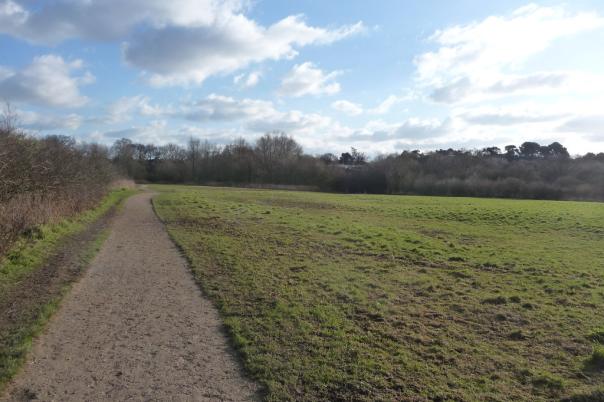
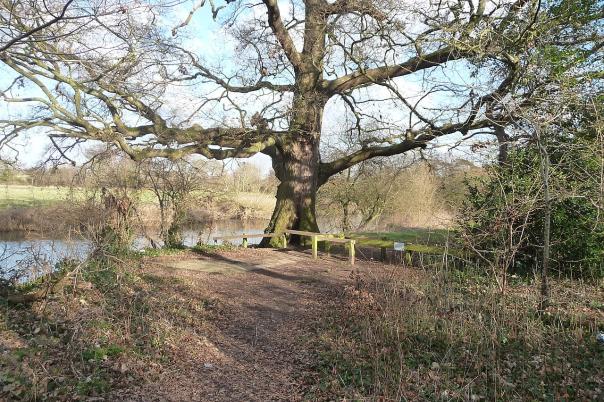
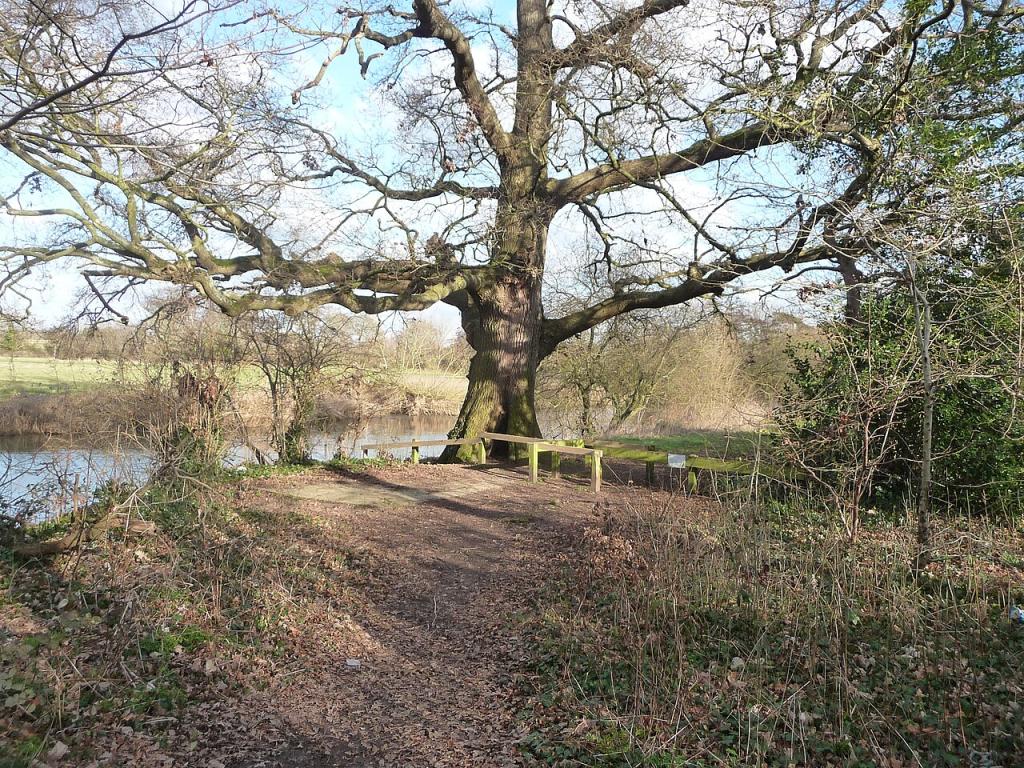
From the barn, paths lead beside the River Stour and through surrounding water meadows. The landscape includes hedgerows, woodland copses and open meadow, with routes ranging from short family strolls to longer riverside walks.
Waterfowl are commonly seen along the river, while patient visitors may catch the bright blue flash of a kingfisher. Otters also use the Stour, although spotting one requires considerably more luck.
The wider network of paths leads towards Throop, where the historic mill buildings and rushing water create one of Bournemouth’s most atmospheric inland scenes. The mill is not generally open to visitors, but its riverside setting remains a rewarding destination.
Some gravel routes through the water meadows are suitable for wheelchairs, while other sections can become muddy after heavy rain. Bring binoculars, wear sensible shoes and move quietly - the less hurried we are, the more likely the valley is to reveal.
Best for: Wildlife, riverside walking and escaping the crowds
Cost: Free


 Spanish
 Chinese (simplified)
 Dutch
Dutch French
 German
 Italian
 Norwegian
 Polish
 Romanian
 Russian